What Heat Transfer Silicone Labels Are
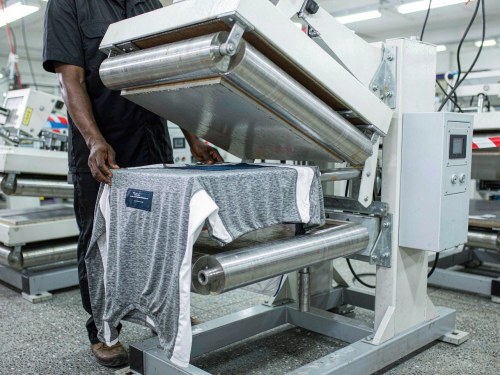
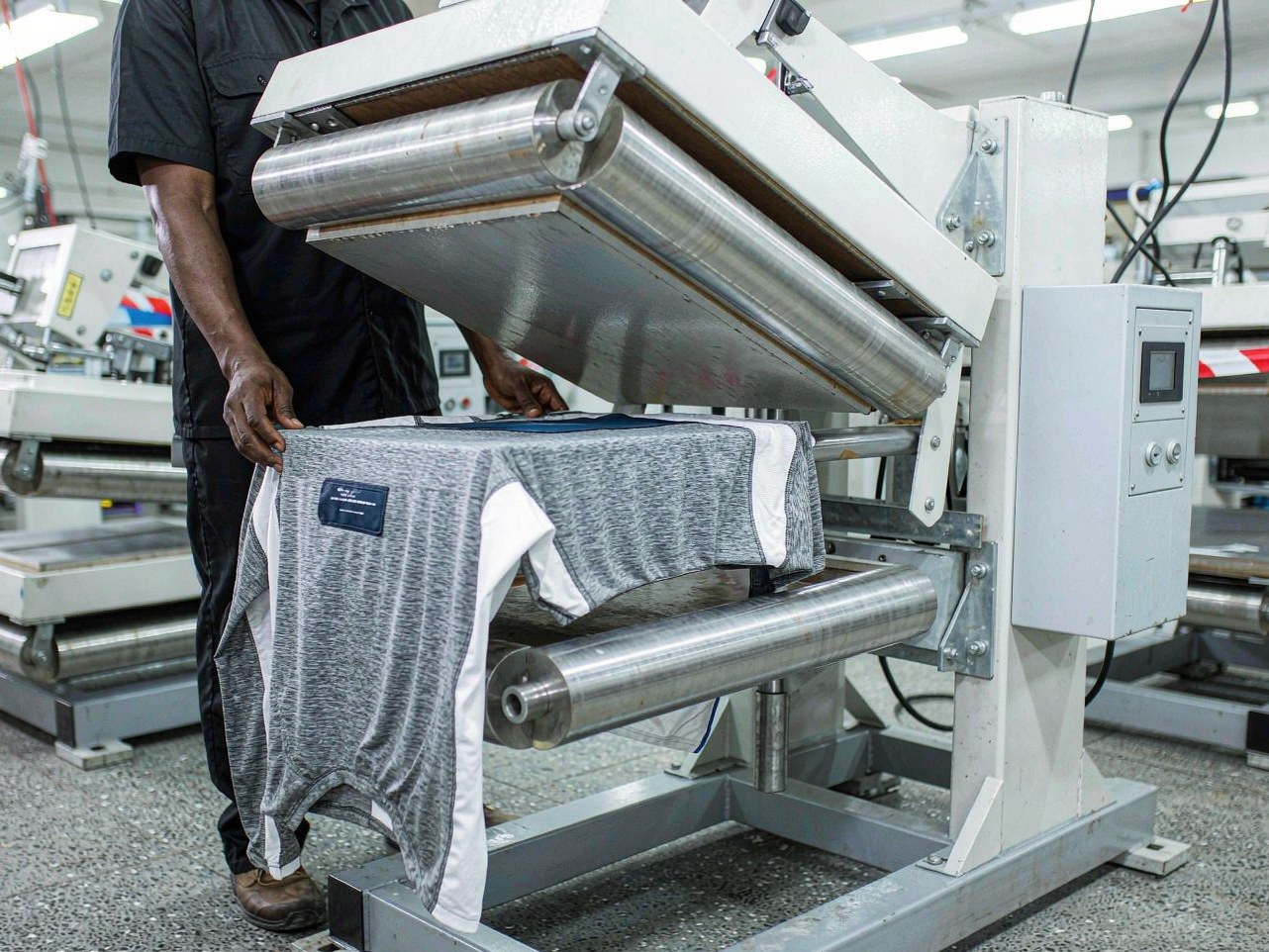
A heat transfer silicone label is a raised silicone badge bonded to fabric under heat and pressure. The press melts the hot-melt adhesive layer into the fiber, so the label becomes part of the garment instead of sitting on top of it. No sewing, no backing tape, no separate attachment step.
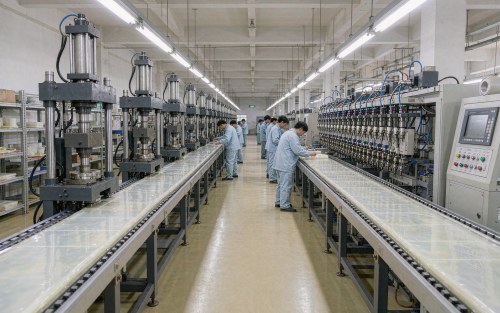
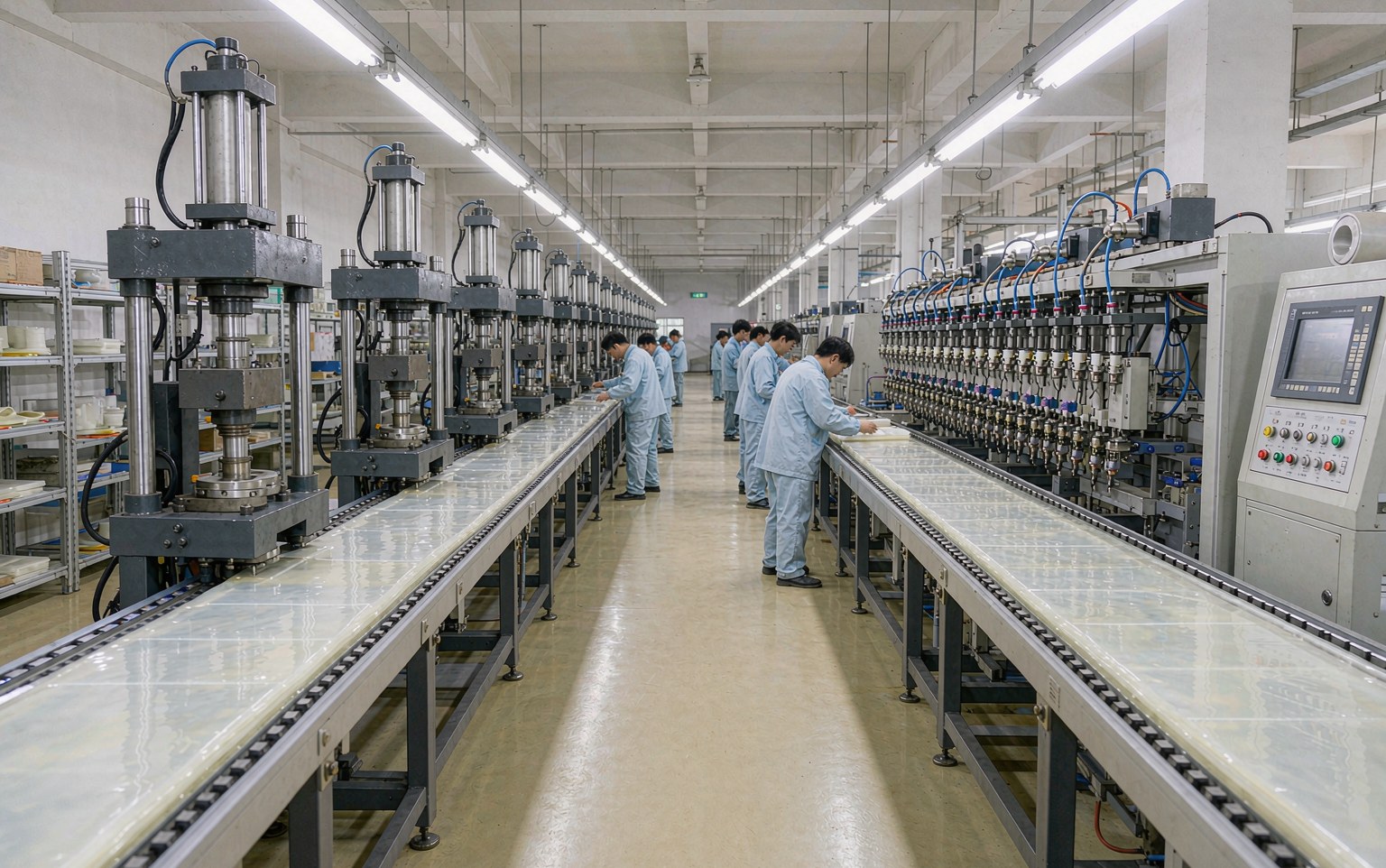
We run every stage in our own workshop: film making, multi-color dispensing, curing, adhesive coating and die cutting. Because the sample tool is cut in-house through quick proofing, a physical sample reaches your desk in 3-5 working days — and the production tool is yours once you have paid for it.
0.3 - 2.5 mmSilicone thickness range
30 cycles60°C wash test, no edge lift
3 - 5 daysPhysical sample lead time
100%Tool ownership stays with you
Heat Transfer Silicone Label Specifications
| Parameter | Specification | What it means for your order |
|---|
| Thickness | 0.3 - 2.5 mm | Thicker builds give a stronger 3D relief and cost more per piece |
| Layer structure | Hot-melt adhesive / silicone body / color ink / PET carrier | Four layers, produced by in-house silicone molding; no separate backing tape to add |
| Surface finish | Raised 3D, flat, or textured | Choose by how the logo should read on the garment |
| Color | Pantone matched solid spot colors | Send the Pantone reference; each color is a separate print pass |
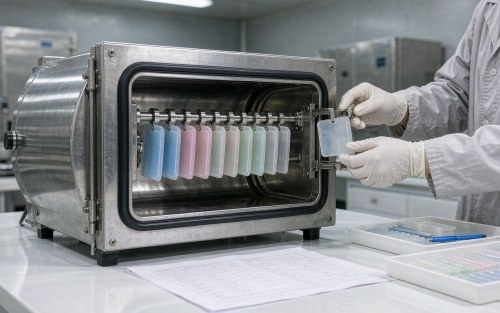
| Wash resistance | 30 cycles at 60°C, 45 min per cycle with detergent | Tested to no edge lift and no cracking |
| Peel method | Cold peel | Let the piece cool fully before pulling the PET carrier |
| Press temperature | 145 - 160°C | Measure on the label surface, not on the platen |
| Press pressure | 3 - 4 kgf/cm² | Below this range the adhesive does not fully wet out |
How to Apply Heat Transfer Silicone Labels
| Setting | Range |
|---|
| Temperature | 145 - 160°C |
| Pressure | 3 - 4 kgf/cm² |
| Dwell time | 12 - 15 seconds |
| Peel | Cold peel |
- Pre-heat the garment for a few seconds to drive off surface moisture.
- Place the label ink-side down and close the press.
- Press at the settings above for the full dwell time.
- Open the press and let the garment cool completely to the touch.
- Peel the PET carrier in one smooth, even motion.
If an edge lifts during peel, lay a heat-resistant sheet over the label, re-press briefly, then remove the sheet while the piece is still warm. Keep the finished garment out of water until it has fully cooled and settled.
Durability: What Our Lab Tests Show
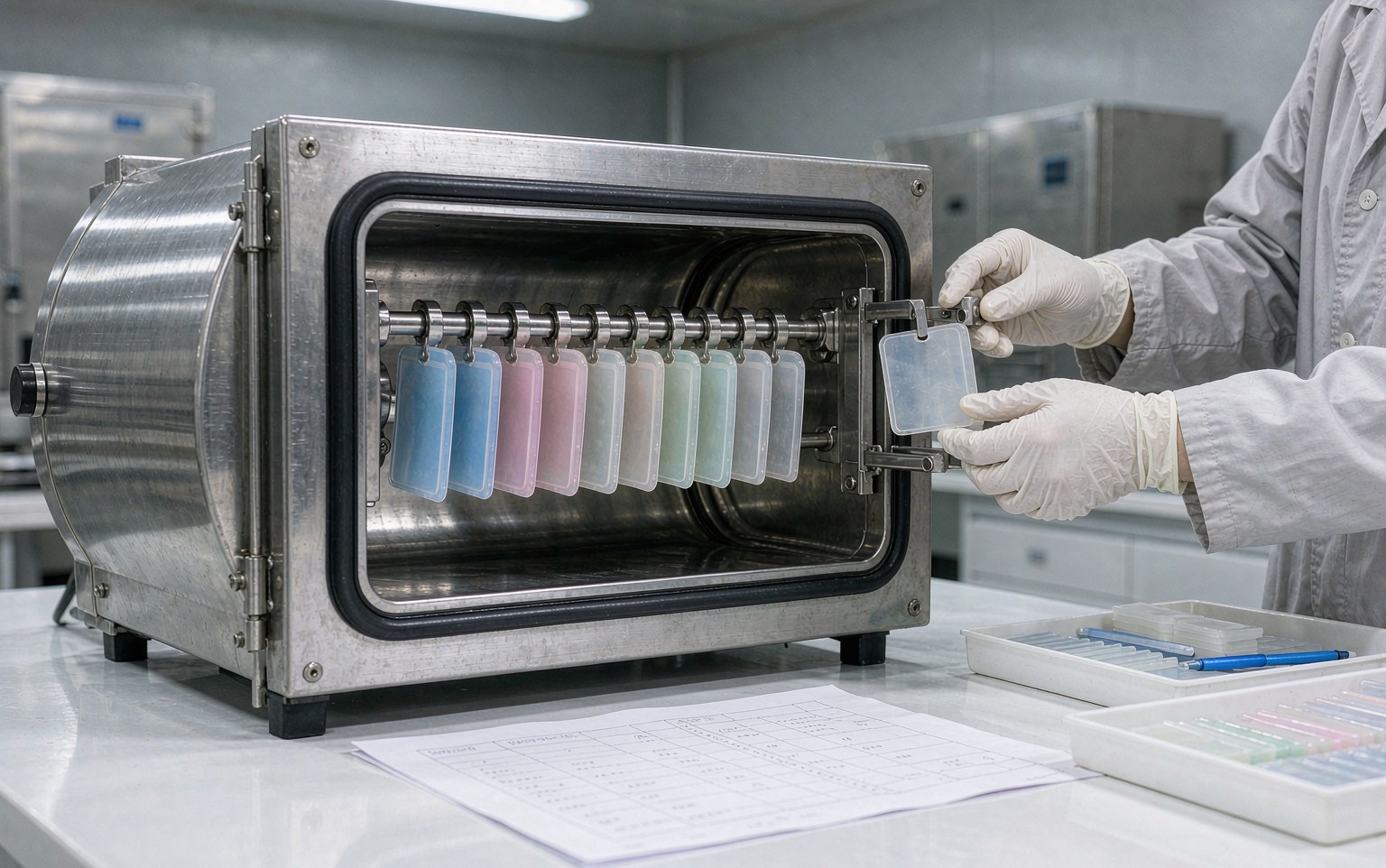
These numbers come off our own quality control bench, not from a material supplier's data sheet. Every batch is checked at three points: incoming compound, finished label, and packed carton.
- Wash fastness is the one buyers ask about first — it is what decides whether a label still looks right after a season of retail wear.
- Restricted substance testing is done by third-party labs, not in-house.
| Test | Condition | Result |
|---|
| Wash fastness | 60°C water with detergent, 45 min per cycle, 30 cycles | No edge lift, no cracking |
| Visual inspection | 100% of pieces, magnifier lamp | Foreign particle 0.1 mm or smaller, max 1 per piece |
| Restricted substances | Third-party lab (SGS / ITS) | RoHS 2011/65/EU, REACH SVHC 240+ substances |
| Food contact | Material grade certificates | FDA 21 CFR 177.2600, German LFGB |
Label Types and Surface Effects
Holographic 3D twill
Layered diagonal relief that shifts with the light. Used on outerwear chest badges and premium sportswear.
Thermo-chromic
Color changes at a set temperature. Bought as a functional indicator, not just decoration.
Reflective and glow
Reflects light back at the source, or glows after dark. Common on running apparel and safety gear.
Ultra-soft stretch
Low-hardness silicone that moves with the fabric. Specify it for waistbands, legging hems and base layers, where silicone hardness decides whether the label feels like rubber or like skin.
Silicone vs PVC vs Woven Labels: Which Fits
| Silicone | PVC | Woven |
|---|
| Hand feel | Soft, rubber-like | Firmer, plastic | Flat, fabric |
| 3D relief | Yes, up to 2.5 mm | Yes | No |
| Stretch with the fabric | High | Limited | Low |
| How it attaches | Heat press, adhesive built in | Heat press, needs backing | Sewn on |
Three cases where silicone is the wrong answer
- You need a label under 0.3 mm and completely flat. Use a printed or woven label instead, and put the money into the fabric.
- The fabric is dark sublimated polyester. Dye can migrate into light-colored silicone over time. Send the fabric first and we will test before quoting. See the range of custom silicone parts we run on the same presses.
- You need a woven-label unit price. Silicone has more process steps, so it will cost more per piece. It is bought for the hand feel and the 3D read, not for the unit cost.
Proofing, Lead Time and What We Need From You
| Stage | Time |
|---|
| Quotation (single item) | 3 hours |
| Physical sample | 3 - 5 working days |
| Production mold | 10 - 12 working days |
| Bulk delivery | 7 - 10 working days after order confirmation |
What stays yours
The tool is 100% yours. Once paid for, you can move it, store it elsewhere, or have it scrapped. We hold it for two years at no charge, and re-cut it free of charge if natural wear takes it out of tolerance. Minimum order on silicone labels is 100 pcs.
Frequently Asked Questions
What is the minimum order quantity?
100 pcs for silicone heat transfer labels. A higher-cavity tool brings the unit price down from there.
How many washes will the label survive?
Our bench test runs 30 cycles at 60°C with detergent, 45 minutes per cycle, with no edge lift and no cracking.
What press settings do I need?
145-160°C, 3-4 kgf/cm², 12-15 seconds, cold peel. The full sequence is in the application section above.
What is the difference between silicone and PVC heat transfer labels?
Silicone is softer, stretches with the fabric, and the adhesive is built into the label. PVC is firmer and holds a sharper edge on flat panels. Which one fits usually comes down to how much the garment moves.
Do I own the production tool?
Yes, 100%. You can move it, store it elsewhere, or have it scrapped.
How fast can I get a physical sample?
3-5 working days after artwork approval.
Test on Your Fabric, Not on Ours
Send your artwork and the fabric you will press onto. We build a physical sample in 3-5 working days, so you can run your own wash test before committing to a bulk order.
- Physical sample in 3-5 working days
- Wash tested to 30 cycles at 60°C
- The production tool is yours, 100%
- Engineer's written reply within 3 hours