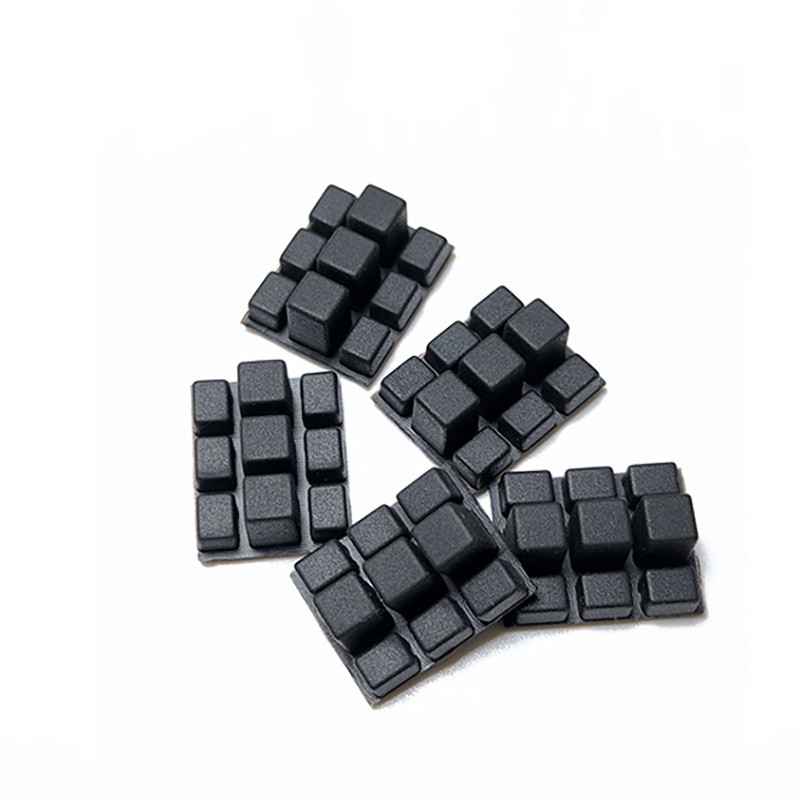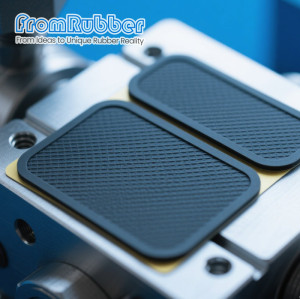
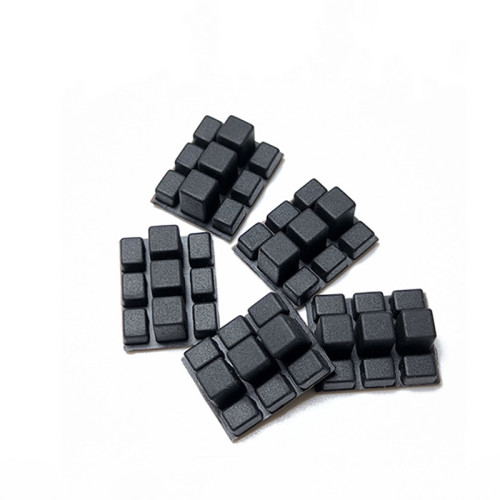
OEM Auto Rubber Parts for Original Equipment Quality
- Model
- BH-auto15
Item specifics
- Product Name
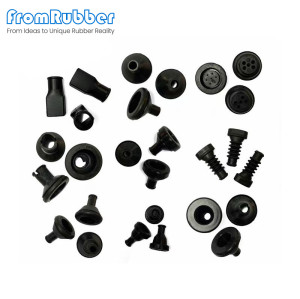
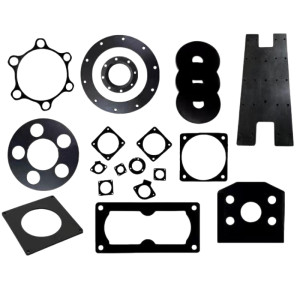
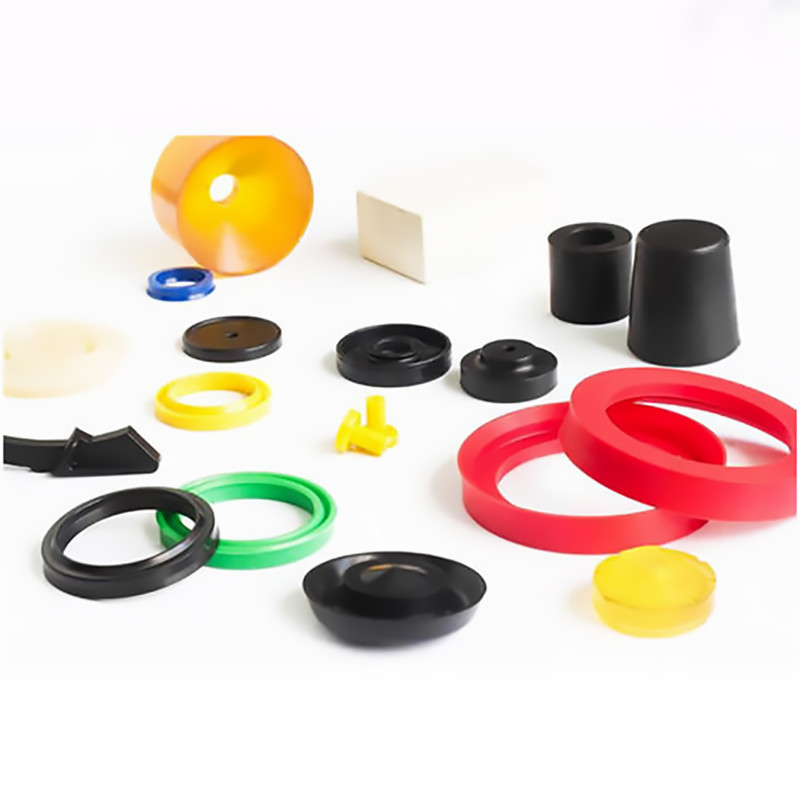
- Auto Rubber Parts
- Material
- Rubber Silicone
- Color
- Black,Custom
- Shape
- Customise
- Service
- OEM
- Features
- Original Equipment Quality
- Sales Method
- Product custom
- Consultation Email
- Suey@fromrubber.com
Review
Description
Automotive OEM Supply / Program Parts OEM auto rubber parts for original equipment quality are defined by six things a buyer can check: drawing equivalence, compound control, dimensional capability, validation, documentation and change control. Everything else is an adjective. A part that fits and works is not the same as an OEM-equivalent part. The difference shows up at the second batch, at the audit, or when the vehicle program changes the panel and asks why your part no longer seals. Four requirements decide whether a rubber part can carry an OE part number. Each one is evidenced, not promised. Interface dimensions, tolerances and datum references must match the OE drawing, not a measured sample. A part reverse engineered from a worn component is a replacement part, not an OEM part. The TDS names the compound, hardness and cure system. Substituting an equivalent grade without notice is the most common cause of a part that passes first article and fails in the field. Capability is measured on parts from the multi-cavity production tool. A single-cavity prototype can be perfectly capable and still be irrelevant. Ageing, fluid and fit tests agreed at kick-off, plus written notification before any compound, tool or process change. Checklist items are the ones that recur in OEM audits. What counts as critical, and the capability target, are agreed in the program rather than assumed from a template. The gap between the two shows up in four predictable places. Copying a worn part reproduces its wear. OEM work starts from a drawing or from the mating component, with the tolerance band recovered rather than guessed. A different but similar grade changes compression set and swelling. It fits on day one and leaks after a summer, which is why the compound is named on the drawing. The buyer should know who owns the tool and what happens if the supplier changes. Tool ownership is a commercial fact that protects the program, not a detail for later. Compound, cavity, cure and test records retained per batch. Without them, a field report cannot be traced back to a cause. Where the program also demands body-panel fit and bake stability, the workflow in car body rubber parts for tailored vehicle solutions is the adjacent reference. Documentation is the part of OEM supply that is easiest to promise and hardest to sustain. It only has value if the same records are produced on the third year of a program as on the first shipment. We work to IATF 16949 and ISO 9001 quality systems with ISO 14001 environmental management. First article, control plan, material data and batch records are held against the part number, and any compound, tool or process change is notified in writing before it ships. Four gates, each of which can stop the program before tooling money is spent. OE drawing or mating component, annual volume, program life and the characteristics that are actually critical. We propose the compound, hardness and tool concept, and flag drawings that cannot hold what they ask for. Single-cavity samples for fit and validation, then capability measured on production-tool parts. PPAP-style submission, control plan, batch records and PCN discipline for the life of the part. Questions buyers and program engineers raise before placing a first order. They are OEM-equivalent parts molded to an OE drawing under an IATF 16949 system. Genuine OEM means produced under the vehicle manufacturer's own part number and release; we state which of the two a quotation covers. Yes. Send the drawing with its datum scheme and the allowed deviations. If a dimension is unworkable in rubber, we say so before tooling rather than after the first article. It depends on the characteristic: molded dimensions are typically held to the drawing tolerance with a capability target agreed per program, commonly 1.33 on critical characteristics. Thin sections and bonded parts need their own review. It does not happen silently. Any change to compound, tool or process is raised in writing before it ships, with the validation evidence attached. Tell us the part number, the annual volume and the program life. We come back with a compound proposal, the tool concept and the documentation package the program would need.OEM Auto Rubber Parts for Original Equipment Quality: What the Claim Has to Mean
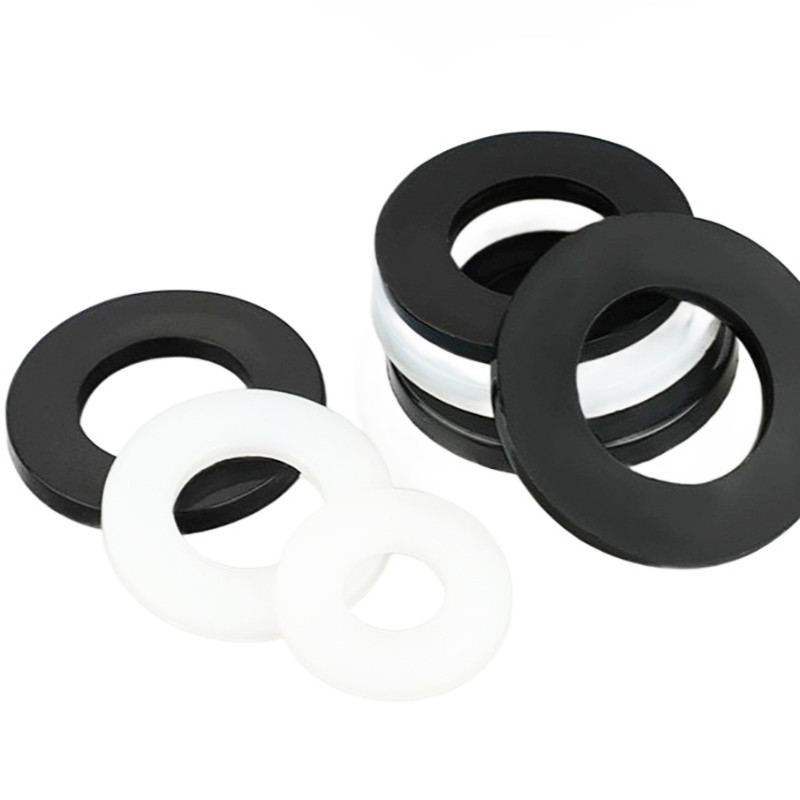
What Original Equipment Quality Requires From Auto Rubber Parts
A drawing with a datum scheme
A named compound, not a material family
Dimensional capability from the production tool
Validation and change control that survive an audit
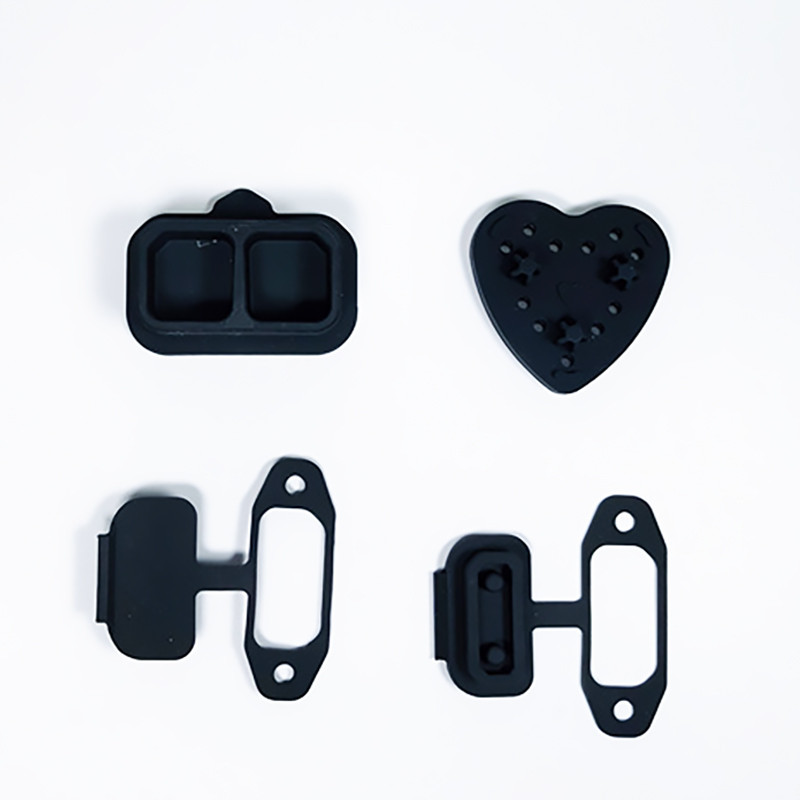
OEM Auto Rubber Parts: Acceptance Checklist
Item OEM-level requirement How it is evidenced Drawing equivalence Tolerances, datums and interface dimensions identical to the OE drawing Part drawing signed by both sides Compound control Named compound with TDS; no unannounced substitution Compound record held per batch Dimensional capability Cpk agreed for critical characteristics, typically 1.33 or better Capability study on production-tool parts Validation Ageing, fluid, temperature and fit checks agreed at kick-off Test report with conditions and acceptance Documentation First article, control plan and material data PPAP-style submission package Change control Notification before compound, tool or process change Written PCN issued before shipment OEM Rubber Parts Versus a Part That Merely Fits
Sample-based reverse engineering
Compound substitution
Tool ownership and transfer
Batch traceability
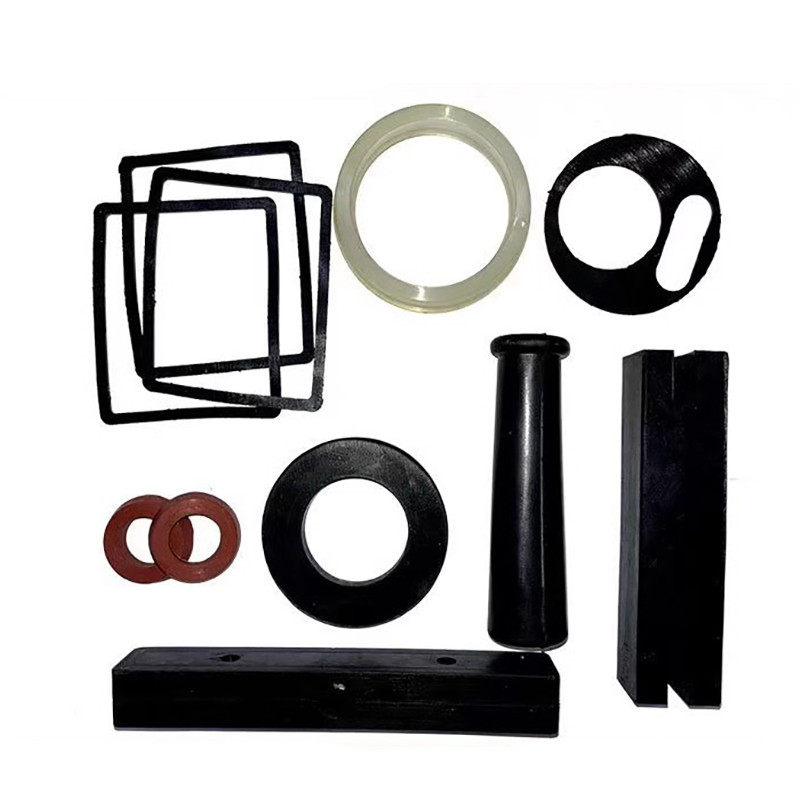
Documentation and Change Control for Original Equipment Parts
How an OEM Rubber Part Is Approved
Drawing and volume review
DFM and compound proposal
Prototype and capability study
First article and serial supply
OEM Auto Rubber Parts FAQ
Are your parts genuine OEM parts or OEM-equivalent?
Can you supply to an existing OE drawing?
What capability can you hold on rubber dimensions?
How do you handle a compound change?
Send the drawing and the annual volume