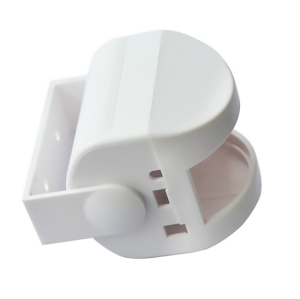
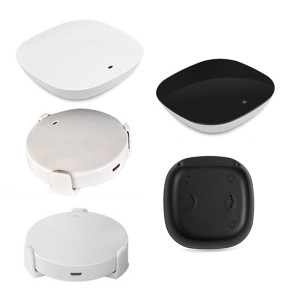
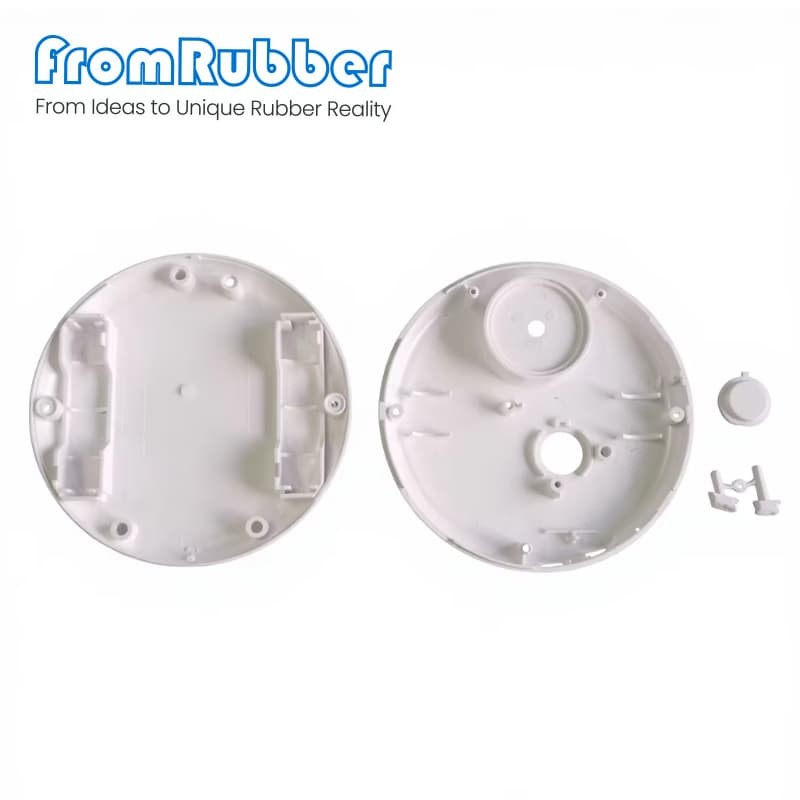
Round Plastic Housing with Buzzer Cavity for Smart Home Security Vibration Alarm
- Model
- BH-Plastic Enclosure
Item specifics
- Design
- Follow 3D Drawing Or Physical Object
- Process
- Injection Molding
- Feature
- Water-resistant,shock-resistant,reliable
- MOQ
- 1000pcs
- Application
- Home Security Vibration Alarm
Review
Description
Alarm enclosures The buzzer is usually chosen first and the cavity designed last, which is why so many vibration alarms sound muffled. This 95 mm round housing integrates a tuned cavity for 25–30 mm buzzers, 85 dB or more at one metre, IP54, in a V-0 ABS/PC blend. A piezoelectric or magnetic buzzer in free air and the same buzzer in a closed box are two different components. The cavity behaves as a resonator over part of its range, the port geometry sets how the sound leaves, and the wall thickness around the grille decides how much of it is absorbed before it gets out. We design the cavity and the buzzer mount together, so the 85 dB figure is a property of the assembly rather than of the buzzer datasheet. Inside this housing, the ribbing does two jobs: it stiffens the shell and it breaks up standing waves. The buzzer port is flared to cut turbulent noise, and wall sections are deliberately uneven — 2.5 mm at the mounting points for strength, 1.2 mm across the grille so the sound is not attenuated on the way out. How cavity volume, port area and wall stiffness move sound pressure level is covered in our note on precision ABS housings for buzzer and vibration alarms. This page is about the part: what the cavity does in a 95 mm round body, and what has to change when your buzzer or your PCB changes. The round body is moulded with external mounting lugs and alignment pins, so the unit can be fixed to a door, a frame or a glass panel without a separate bracket. The joint face carries a gasket groove for the IP54 seal, and the internal channels route the sensor wires away from the buzzer so they do not rattle against it. Inside, the layout provides slots for the PCB, a lithium cell, a tamper switch and status LEDs, a concealed reset and pairing port, and a charging cutout. The blend is RF-friendly, which matters if a Wi-Fi, Zigbee or Z-Wave module sits inside a closed plastic shell. Changing the buzzer changes the cavity. Moving from a 25 mm to a 30 mm unit, or from magnetic to piezoelectric, shifts the resonant volume and the port area, so we would rather re-cut an insert than ship a housing that only measures well on the bench. The same applies if you add a second buzzer or a siren driver: the cavity is a designed feature, not spare space. The cavity is designed around a specific buzzer. Send the model and the target sound level and the proposal will come back with the cavity and port dimensions marked. Dongguan Bohao Electronic Technology Co., Ltd. IATF 16949:2016 / ISO 9001:2015 certified. Values shown are typical for the listed compound or platform; the drawing and the approved sample govern production.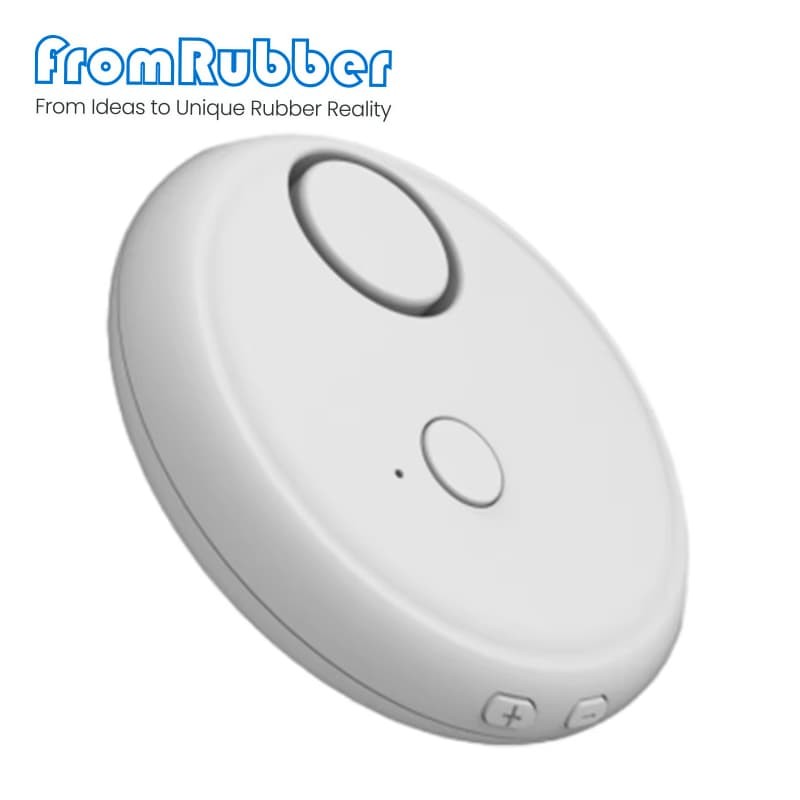
A round housing with a tuned buzzer cavity so the alarm sounds like an alarm
Cavity first, buzzer second
If you want the acoustics theory, it is already written
Mounting, sealing and the bits that get forgotten
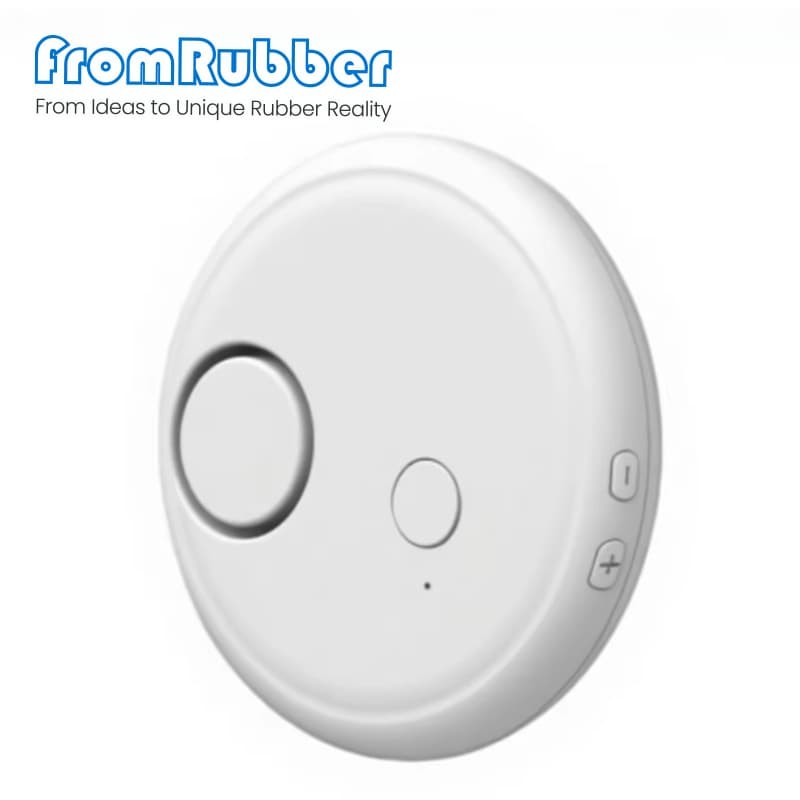
Feature This housing Generic round box Acoustic design Tuned cavity, flared port, 1.2 mm grille Uniform wall, unported Output 85–90 dB at 1 m with the matching buzzer Often below 80 dB, muffled Ingress IP54 with gasket groove Usually IP30 or unrated Mounting Moulded lugs and alignment pins Separate bracket required Internals Slots for PCB, cell, tamper switch, LED Empty shell, adhesive assembly Material V-0 ABS/PC blend, impact modified HB or unrated When the design has to change
How the project runs
What we need to quote
What comes back
Send the buzzer model with the board
fromrubber.com
+86 18926836960