


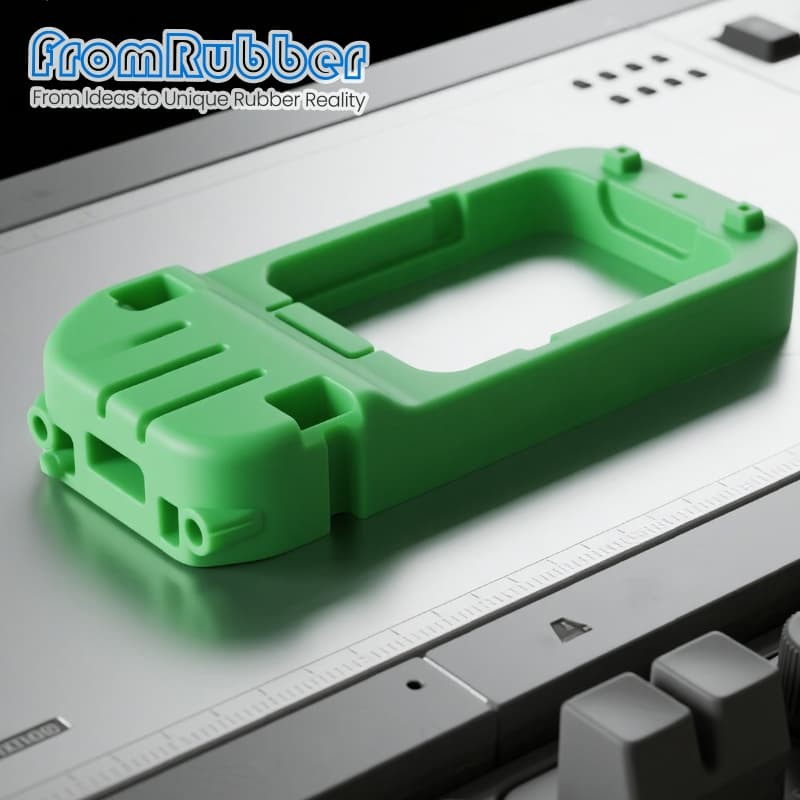
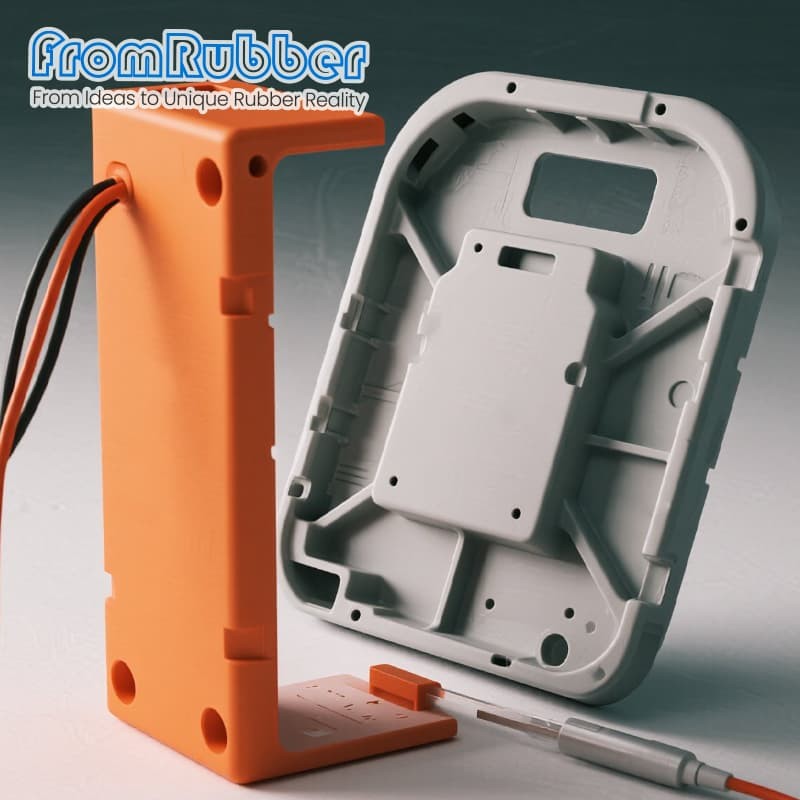
Custom Lightweight Plastic Shell for Portable Devices
Item specifics
- Design
- Follow 3D Drawing Or Physical Object
- Process
- Molding
- Feature
- Low-resistance
- MOQ
- 2000pcs
- Application
- industrial, medical & automotive applications
Review
Description
Weight comes off a portable device in two places: the wall section and the number of parts. Choosing a resin with a lower density moves the number by a few grams. Taking 0.4 mm out of a wall, or replacing three parts with one moulding, moves it by tens of grams - and changes the tool, the stiffness and the drop performance at the same time. So the useful design sequence is: fix the weight budget, decide where stiffness is actually needed, then choose the material that can hold that section at a speed the tool can run. Reversing the order is how programmes end up with a shell that is light, flexible and cracked at the corner. Reducing a nominal wall saves weight across the whole surface, and costs stiffness everywhere at once. Do it before adding ribs, so the ribs are sized against the wall you will actually mould. A rib adds section where the load is, and almost nothing where it is not. Rib thickness below the wall thickness avoids sink marks on the cosmetic face; deep, thin ribs need draft or they drag on ejection. Snap-fit a battery door instead of screwing it. Integrate a light pipe or a button bezel. Every separate part carries its own wall, its own fasteners and its own assembly time. A thinner section is not free at the machine. Material has to travel further before it freezes, so the tool needs higher injection pressure, tighter steel and a gate position that fills the thin area before the thick one. Two consequences matter commercially: A simple rule for the drawing review: if the wall is thin enough to need a high-speed fill, the boss and rib geometry has to be reviewed with it. They are one decision, not three. Target mass per part, not only for the shell. A 5 g saving on the housing is lost by one steel insert. Test at the lowest temperature the product will meet. A shell that survives at 23 degrees C can shatter at -10 degrees C, and a thin wall shows it first at the corners. Hold one end and twist. A portable device is handled by one corner; stiffness in torsion is what stops the seam from opening. Battery doors, port covers and clips are living hinges in practice. Cycle them to the number of uses the product claims, then inspect for stress whitening. Run a finger along the parting line after the drop test. A gap that opens locally means the boss or the clip is carrying load it was not designed for. Where the shell also has to keep water out, the joint becomes the design driver - see IP67 screw-lock enclosures. Where the device is wireless, the wall in front of the antenna matters more than its thickness: see enclosures for wireless devices. It depends on flow length and material more than on a universal number. Long, thin panels are limited by fill and warpage; small parts can run thinner. Send the outline and the target mass, and the section follows from the tool that can fill it. Often yes, because it removes a seam allowance and the fasteners that hold two shells together. It also removes an assembly step, which usually matters more to cost than the grams do. If the screw is opened more than a few times, yes. A thin wall cannot carry a self-tapping thread for long, and the repair is a new housing rather than a new screw. A matte texture hides small sink marks and weld lines better than a gloss finish, but it does not remove them. Fix the rib and boss geometry first; texture is a finishing decision, not a defect strategy. Wall section, rib layout and material all follow from those two numbers. Send the outline, the target weight and the drop condition, and we will return a section proposal with the tooling implications stated before you commit.A lightweight plastic shell is decided by the wall section, not by the resin datasheet

The weight budget, spent in three places
Wall
The cheapest grams to remove
Ribs
Stiffness without mass
Part count
The grams nobody counts
Thin wall has a tooling price
What changes in the tool
What changes in the part
Material trade-offs for a portable shell
Portability is tested, not claimed
Weigh the assembly
Drop it cold
Twist it
Cycle the latches
Check the seam
Specification on this series
Questions from product and mechanical engineers
How thin can a wall go?
Is a two-shot part lighter than two parts?
Do I need metal inserts?
Can the shell be textured to hide sink marks?
Send the mass target and the drop requirement


