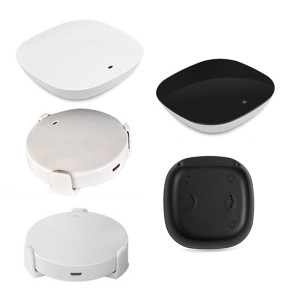
Custom Beauty Apparatus Plastic Enclosure For Facial Cleanser and Face Steamer
Item specifics
- Design
- 3D Drawings or Objects
- Surface
- Polishing
- Service
- Free Consult
- MOQ
- 1000pcs
- Application
- Facial Cleanser and Face Steamer
Review
Description
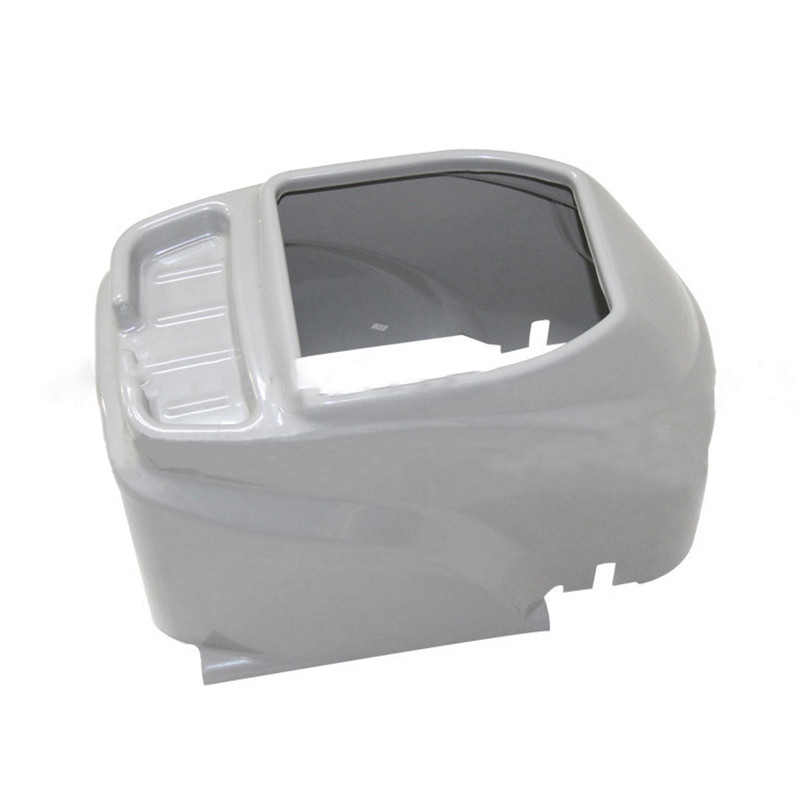
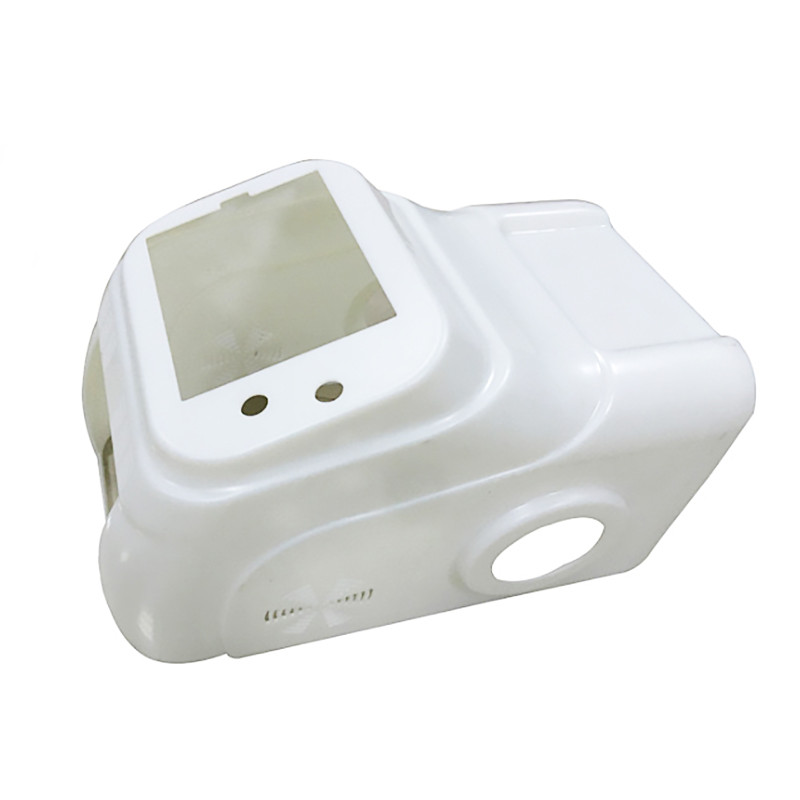
A beauty appliance looks like a simple shell until it is run for twenty minutes with steam inside it and cleanser on the outside. The enclosure has to seal a water reservoir, survive surfactant residue, keep its surface finish after daily wiping and still close on a production line without glue. This page covers the material, sealing and finishing decisions that decide whether a facial cleanser or face steamer housing ages well. Most cosmetic appliance returns are not electrical failures. They are cosmetic: a cloudy window, a stress-cracked boss, a discoloured seam or a surface that has gone tacky where a cream was left on it. Steam accelerates all of them, because it raises the temperature of the shell, softens the polymer slightly and carries surfactant residue into every joint. That makes the enclosure specification a chemistry problem before it is a styling problem. The polymer has to tolerate warm water vapour, the cleaning agents the brand recommends and the actives in the products the device is used with. A housing chosen only on impact strength and cost will pass the drop test and fail in the customer's bathroom after a few months. There are three ways to close a steam chamber: a molded gasket groove with an elastomer seal, an ultrasonic or hot-plate weld, or a snap fit with a lip seal. The weld gives the most reliable barrier and the least serviceability; the gasket groove gives serviceability and depends entirely on the groove geometry and the compression it provides; the snap fit is the cheapest and the least forgiving of moulding variation. Whichever is chosen, the seal has to be designed with a compression land that survives the moulding tolerance of both halves. A groove drawn at nominal depth with no compression allowance will leak on the shallow end of the tolerance band, and the fix is normally a taller rib rather than a thicker gasket, because the rib is the feature the tool controls. ABS gives the best combination of moulding detail, surface finish and plating or painting options, which is why it dominates visible cosmetic housings. PC/ABS adds impact and heat resistance for the section around the heater and is often used for the upper shell while ABS is kept for covers. PP is the choice where the part contacts water continuously or needs a living hinge, but it is harder to finish and shows sink marks more readily. Finish is where cosmetic appliances are won or lost. A high-gloss shell shows every fingerprint and every wipe mark, so most brands move to a fine matte texture or a soft-touch coating. Both change the tooling: texture depth has to be specified with the draft, and soft-touch coatings need a primer and a cure that will not be attacked by the alcohol in a skincare product. Small appliance shells combine thin decorative walls with thicker structural bosses, and that combination produces sink marks on the visible face. The usual fix is to thin the boss and add a supporting rib rather than to increase the wall, because a thicker wall also lengthens the cycle and increases warpage on a long housing. Texture adds a second constraint. A textured surface needs additional draft, and the amount depends on the texture depth; a shell designed at one degree of draft and then textured will scuff on ejection. Since facial cleanser housings are usually long and shallow, the draft and texture decision is best made before the 3D model is frozen, not after the first tool trial. Polymer, finish and sealing method are fixed per appliance on the approved drawing; compliance documentation is agreed at RFQ according to the destination market. Yes. Colour is matched to a master sample or a stated reference under agreed lighting, and the match is confirmed on a moulded plaque rather than on a colour chip, because texture and gloss shift the perceived colour. A welded joint gives the most reliable steam barrier where the chamber does not need to be opened. Where the reservoir must be serviceable, a molded gasket groove with an elastomer seal is used, with the groove depth defined across the full tolerance band. Where the geometry allows, a single moulding removes a joint and a leak path. Where the reservoir needs a different polymer for water contact, the two parts are moulded separately and joined with a designed seal rather than an adhesive. The enclosure, the gasket and any silicone sealing parts can be produced in the same programme, which keeps the sealing interface under one tolerance review instead of splitting it between suppliers. Share the enclosure model, the heater and reservoir layout and the skincare products the device is used with. The review returns the polymer split, sealing method, texture and draft, and the open points to close before tooling.Plastic Enclosure for Facial Cleansers and Face Steamers: Designing for Steam, Surfactants and Skin Chemistry
Steam and Skincare Chemistry Are the Real Enclosure Specification
Why cosmetic devices age badly

Sealing a Steam Path Without Glue
Gasket grooves, snap fits and welded joints
Material and Finish: ABS, PC/ABS or PP
Where each polymer is the right answer

Tooling and Assembly for Small Cosmetic Appliances
Draft, texture and wall uniformity
Beauty Appliance Enclosure Specification Fields
Questions About Cosmetic Appliance Housings
Can the enclosure be colour matched to a brand palette?
Which sealing method suits a face steamer?
Can you mold the reservoir and the outer shell as one part?
Do you support the full housing or only the plastic parts?
Send the Housing Model With the Cleaning Agents