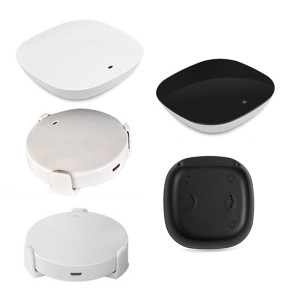
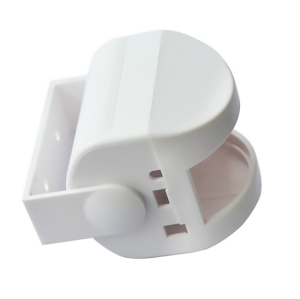
OEM Plastic Enclosure Manufacture China Custom IP65 Cases Supplier
Item specifics
- Product name
- Plastic enclosure
- material
- ABS/PP/PA
- Color
- Black/white
- Size
- base on your design
- Certification
- ISO9001/ISO14001
- Application
- All industry
Review
Description
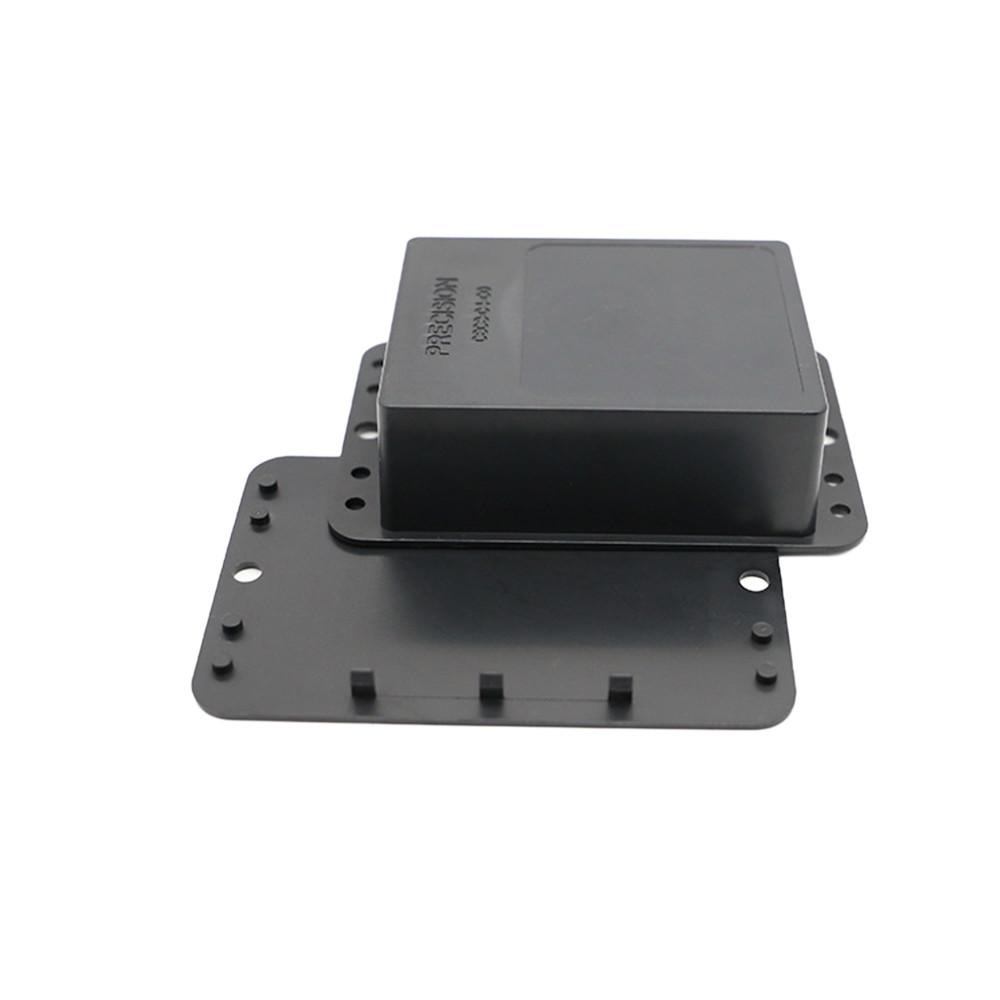
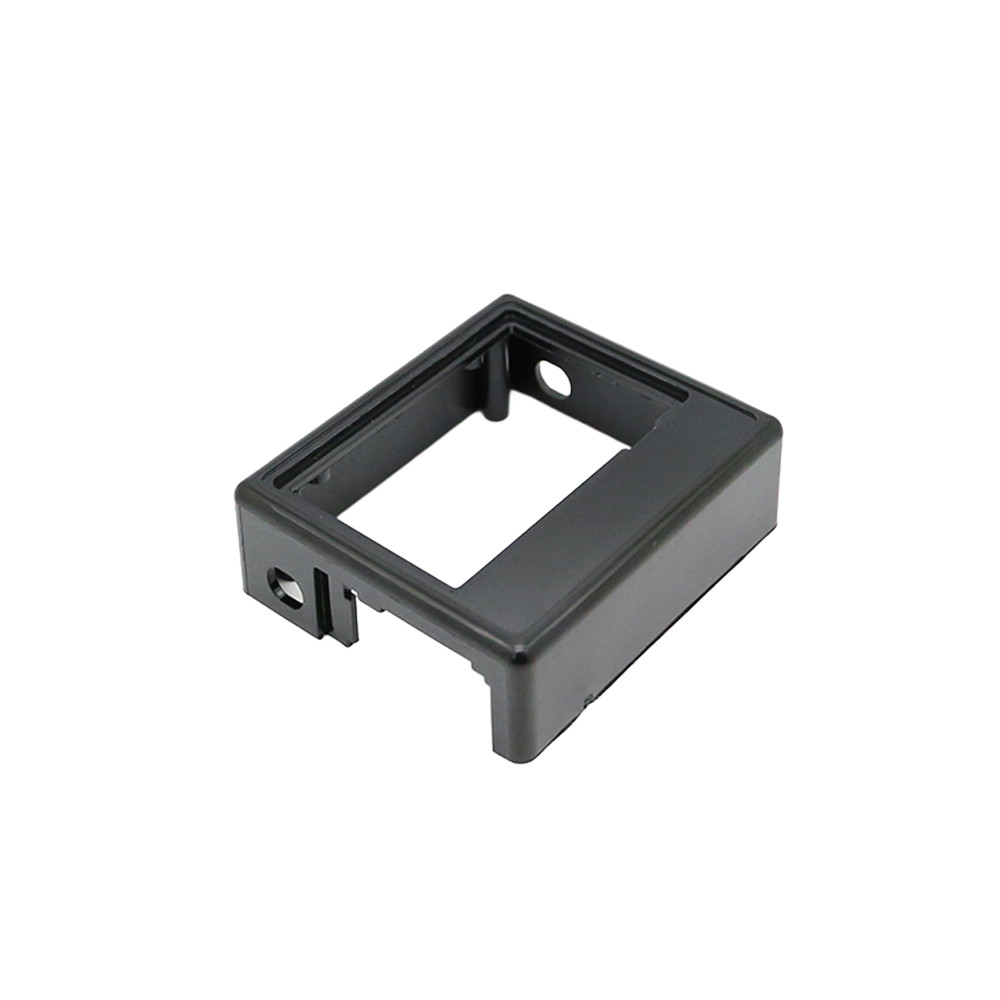
Enclosure manufacturing An IP65 OEM plastic enclosure is not a box with a rubber ring inside it. The rating comes from four things designed together: the gasket groove, the stiffness of the joint, the wall thickness, and the flatness of the face the gasket lands on. We mould the case and the seal in one programme, so the rating is repeatable in production and not just true on the first sample. Every enclosure conversation starts here, because the material decides the temperature range, the impact resistance and how much the joint will move under load. Four details decide whether an IP65 claim survives production: The rating scale itself is explained in IP65 to IP68 ratings for enclosures, and the sealing design detail in the IP67–IP68 design guide. The gap between a passing report and a leaking product in the field is written up in lab pass is not field pass — worth reading before you approve a gasket drawing. Prototypes run in aluminium tooling, production in P20 steel, and gasket grooves are cut as inserts so a seal change does not become a new mould. Wall thickness, draft and gasket compression are reviewed before the tool is cut — after that, every change is a weld and a polish, which is where enclosure programmes lose weeks. Where the product needs a keypad, a window or a connector cut-out, those are moulded in the same shot rather than added by a second operation, for the same reason: a drilled hole in a sealed enclosure is a leak path with a tolerance attached to it. An IP rating applies to the tested configuration, with the specified gasket, the specified screws and the specified torque. Add a connector after approval and the rating is void until it is retested. We put the rated configuration in the drawing package so the statement stays true after the third revision, which is more useful than a certificate on its own. The rating is a design decision, not a certificate you buy at the end. Send the model with the IP target and the entries list, and the reply is a seal design with the screw spacing and groove dimensions marked. Dongguan Bohao Electronic Technology Co., Ltd. IATF 16949:2016 / ISO 9001:2015 certified. Values shown are typical for the listed compound or platform; the drawing and the approved sample govern production.
An OEM plastic enclosure is a joint, a groove and a wall before it is a box
Material choice sets the ceiling
Material Strength Watch out for ABS Impact resistance, cost, easy finishing Lower heat resistance; UV needs a stabilised grade PC/ABS Better heat and impact balance, V-0 grades available Higher moulding temperature, more drying discipline PP Chemical resistance, living hinges, low cost Low stiffness — joint design has to compensate PA (nylon) Strength and heat resistance, thin walls Moisture uptake changes dimensions after moulding How the rating is actually held
What the IP numbers mean, and why lab passes leak
Tooling and the prototype path
What we do not claim
What we need to quote
What comes back
Send the model and the IP target
fromrubber.com
+86 18926836960