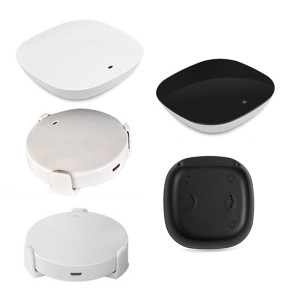
FromRubbeer Custom ABS Controller Shell Plastic Accessories for PS4 PS5 Xbox
Item specifics
- Design
- 3D Drawings or Objects
- Surface
- Polishing
- Service
- Free Consult
- MOQ
- 1000pcs
- Application
- PS4 PS5 Xbox Controller
Review
Description
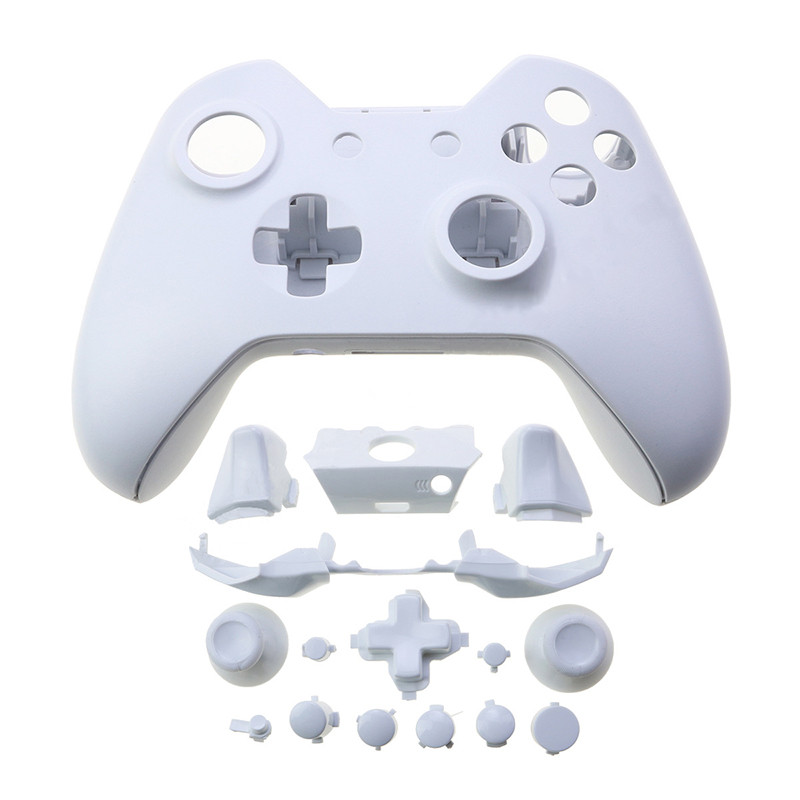
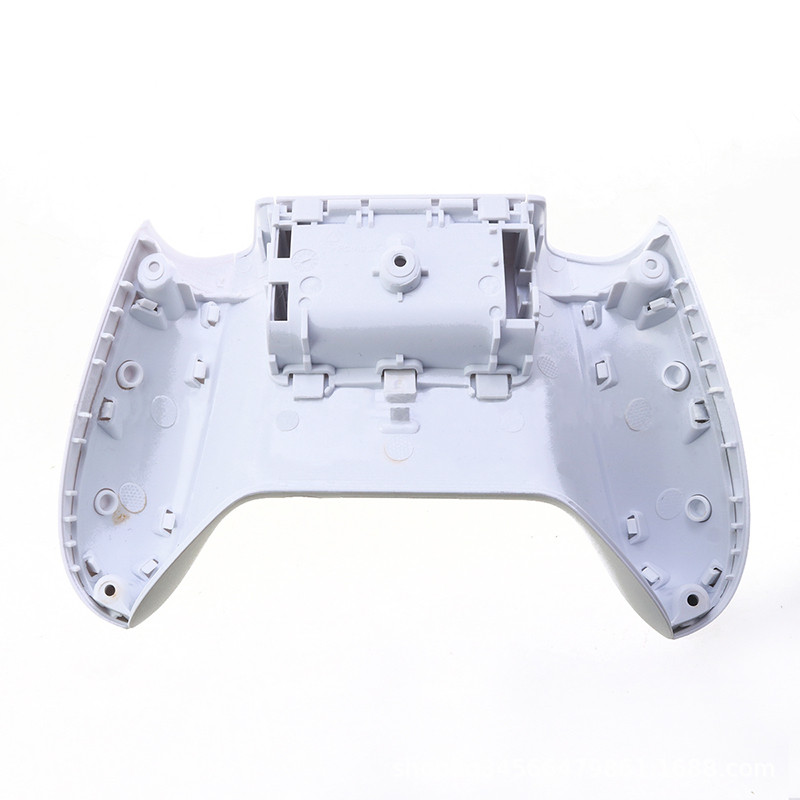
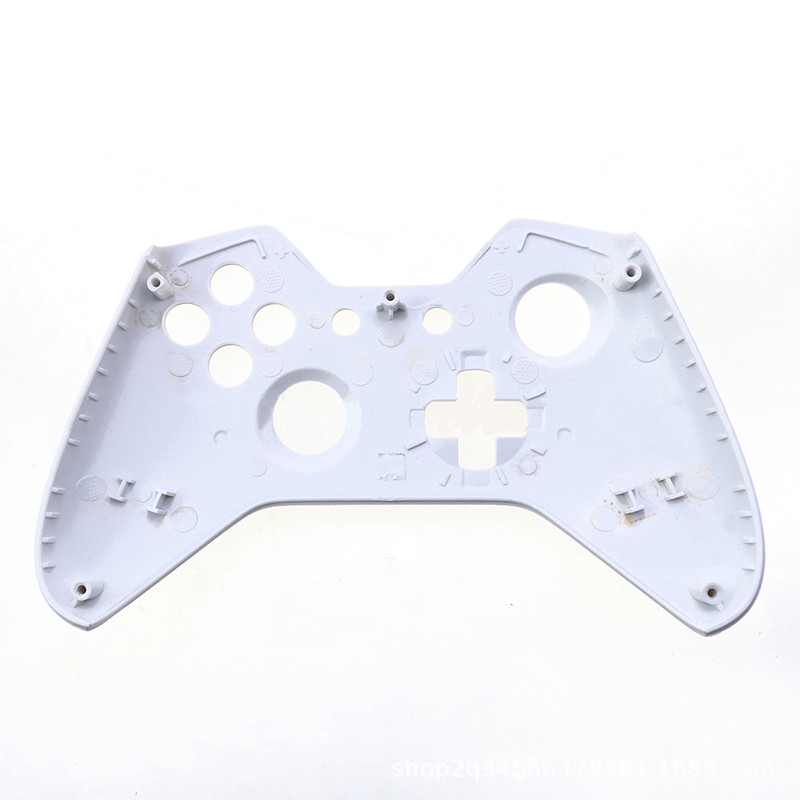
A replacement or OEM controller shell is judged in the first thirty seconds: the seam, the button cut-outs and the way the two halves close. None of that is cosmetic detail. It is the sum of draft, parting line placement, boss design and shrinkage control on a part that has to mate with an existing internal chassis. This page covers the tooling and polymer decisions behind a controller shell that closes cleanly and stays closed. Two shell halves meet along a seam that runs around the grip and over the top edge, where the eye goes first. The seam quality is set by the parting line, the clamp force and the flatness of the mating faces, not by how carefully the parts are trimmed. When the mating face is warped, the assembler compensates with screw torque, the seam opens at the opposite end and the shell looks cheap. Button cut-outs are the second place where tolerance shows. A cut-out that is a few tenths too tight grips the button and prevents return; a few tenths too loose leaves a visible crescent gap. Because the cut-out is moulded by a core, its tolerance depends on core position and on the shrinkage of the surrounding wall, which is why the wall around each cut-out should be kept uniform. ABS is the standard choice for controller shells: it moulds fine texture well, takes paint and soft-touch coatings, and has enough impact strength for a part that is dropped from lap height onto a hard floor. PC/ABS is used where the shell is thin or where a heavier feel and higher heat resistance are wanted, at the cost of slightly more difficult flow in thin ribs. The material choice also sets the texture. A fine matte texture moulded directly into ABS gives a grippy, durable surface without a coating, which is why many OEM shells use it. A soft-touch coating improves the initial feel but wears at the grip edges where hands work hardest, and once it wears the contrast between coated and uncoated areas is more noticeable than a plain textured shell would have been. A controller shell has deep grip sections, so draft has to be generous enough to release without scuffing the texture. The parting line is usually placed along the grip edge where the hand naturally falls, which hides it; placing it on the top face instead costs nothing in tooling and everything in appearance. Screw bosses are where a shell cracks. A boss with a thick wall creates a sink mark on the outside face opposite it and a stress concentration at its base. Thinning the boss, adding gussets and choosing a screw with a coarse thread that does not generate hoop stress are the three changes that most often turn a cracking shell into a durable one. A controller is handled with moisturised, sweaty and occasionally sanitised hands. Unpainted ABS with a moulded texture handles that well because there is no coating to fail. Painted shells depend on adhesion, and adhesion depends on the mould release, the surface preparation and the primer, which makes paint the least predictable part of a shell programme. Colour is the other variable. Moulded-in colour is more durable than paint but limits the finish to a single tone per part, so two-tone shells are usually produced as two mouldings or as a moulded part with a painted insert. Where a colour match to an existing controller is required, the match is confirmed on a textured plaque, because texture darkens the apparent colour. Geometry is built to the customer's own CAD and is not a licensed or branded product. Fit dimensions are agreed against the supplied chassis model or a physical sample. No. They are moulded shells built to the customer's own CAD for that customer's product. The tooling and the fit are defined against the customer's chassis model, and the parts carry no brand markings unless the customer supplies licensed artwork. Yes. A physical shell can be scanned and modelled, with the mating faces and button cut-outs treated as controlled dimensions and the rest of the geometry rebuilt for moulding rather than copied from a scan mesh. Through the mating face flatness, the clamp force and the parting line position. Checking the seam by eye on a few parts is not sufficient; the assembly is checked on a fixture that closes the halves without screws, so the seam reflects the moulding rather than the torque applied. Yes, either as two mouldings in different colours or as a moulded shell with a painted insert. Two mouldings give the more durable result, because there is no coating to wear at the grip. Share the chassis or an existing shell, the button layout, the screw specification and the target texture. The review returns the parting line plan, wall and boss design, polymer recommendation and the fit dimensions to control in the tool.ABS Controller Shells for Game Consoles: Where Fit Tolerance Decides the Result
Controller Shells: Where Fit Tolerance Decides the Review Score
The seam and the button cut-outs
ABS or PC/ABS for a Handheld Controller Shell
Impact, texture and paint
Tooling a Shell That Closes Cleanly
Draft, parting line and screw bosses

Texture, Colour and Wear on a Handheld Part
What survives hand oils and cleaning
Controller Shell Specification Fields
Questions About Controller Shell Tooling
Are these shells licensed console accessories?
Can you work from an existing shell instead of CAD?
How is seam quality controlled?
Can a two-tone shell be produced?
Send the Chassis Model and the Fit Envelope