Custom Silicone Cup Mats & Coasters
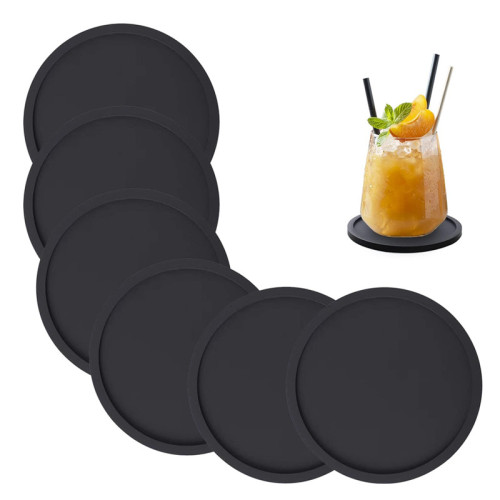
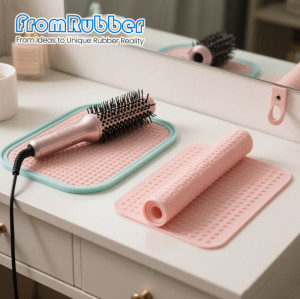
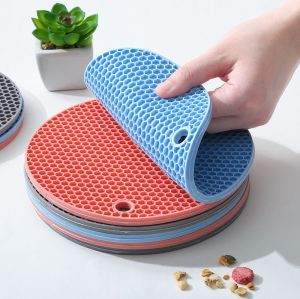
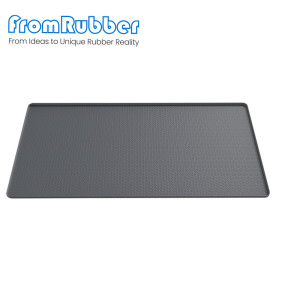
A silicone cup mat — also called a coaster or table mat — is a molded silicone pad placed between a hot or wet vessel and the surface beneath it. FromRubber molds them to your own drawing: food-grade silicone, 30–80 Shore A, working range −40 °C to +220 °C, dimensional tolerance ISO 3302-1 M2. Tooling is built in our own mold shop, so a prototype mold is ready in 3–5 working days.
−40 to +220 °C
Working temperature
30–80 Shore A
Hardness range
ISO 3302-1 M2
Dimensional tolerance
FDA 21 CFR 177.2600
Food-contact compliance
- Made to your drawing or physical sample — there is no size catalogue to pick from
- Gas-phase food-grade silicone, odour controlled by a 200 °C post-cure
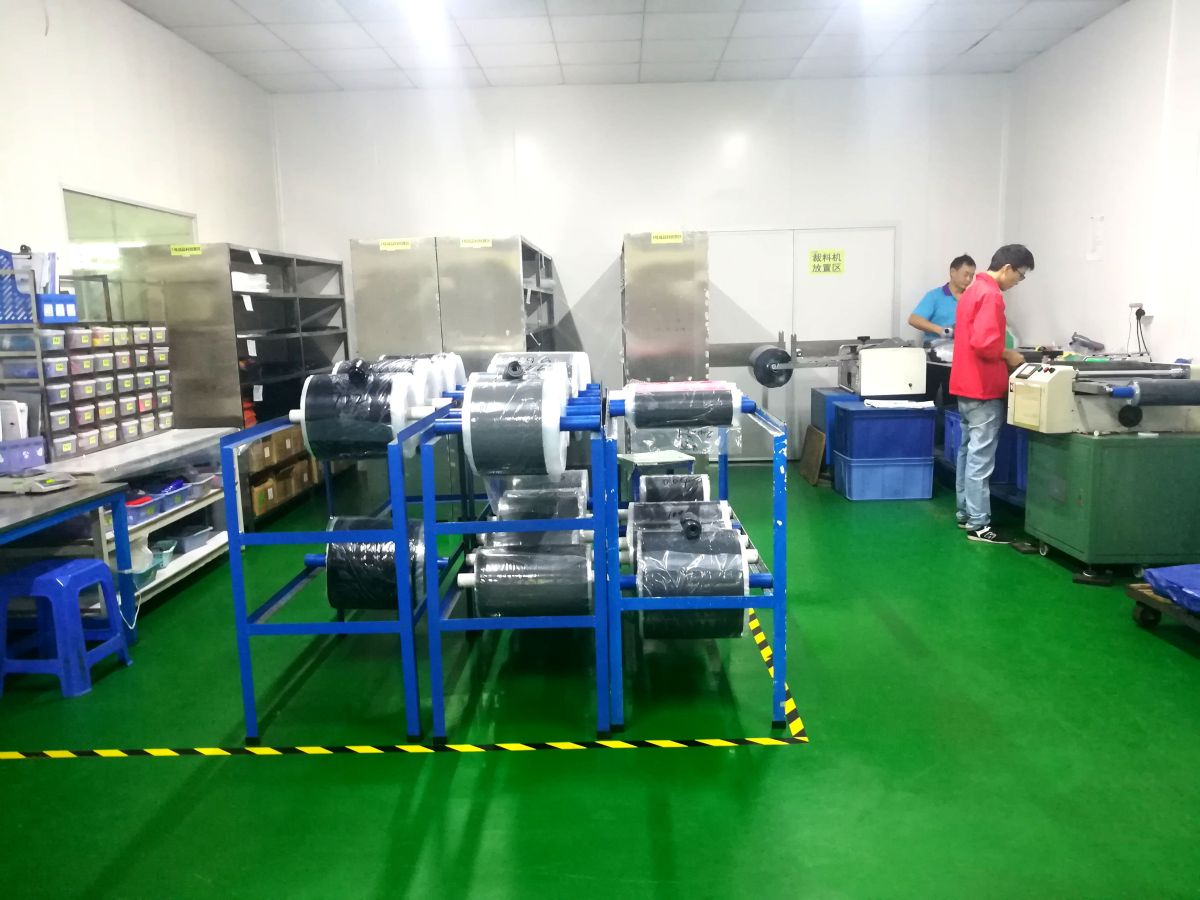
- Mold making, compression molding and finishing under one roof
- Quotation with a moldability review returned within 3 hours
What You Can Specify
Every mat is a custom part. These are the three groups of decisions we need from you, and what each one changes about the finished product.
Material & hardness
- Gas-phase or platinum-cured food-grade silicone
- 30–80 Shore A, held to ±2.5°
- Tear strength ≥ 25 kN/m, elongation 350–650%
Size, shape & thickness
- Round, square, rectangular, oval or free-form
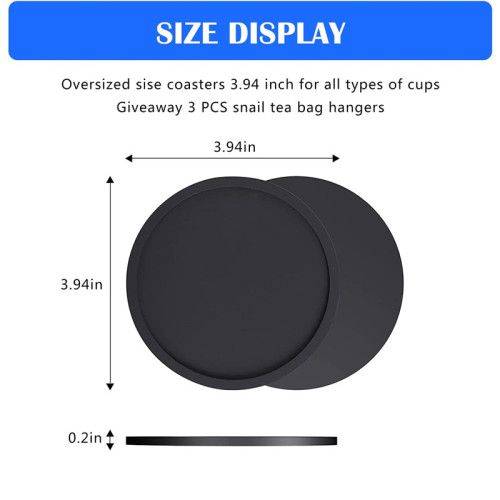
- Outer size and thickness set by your drawing
- Critical dimensions held to ISO 3302-1 M2
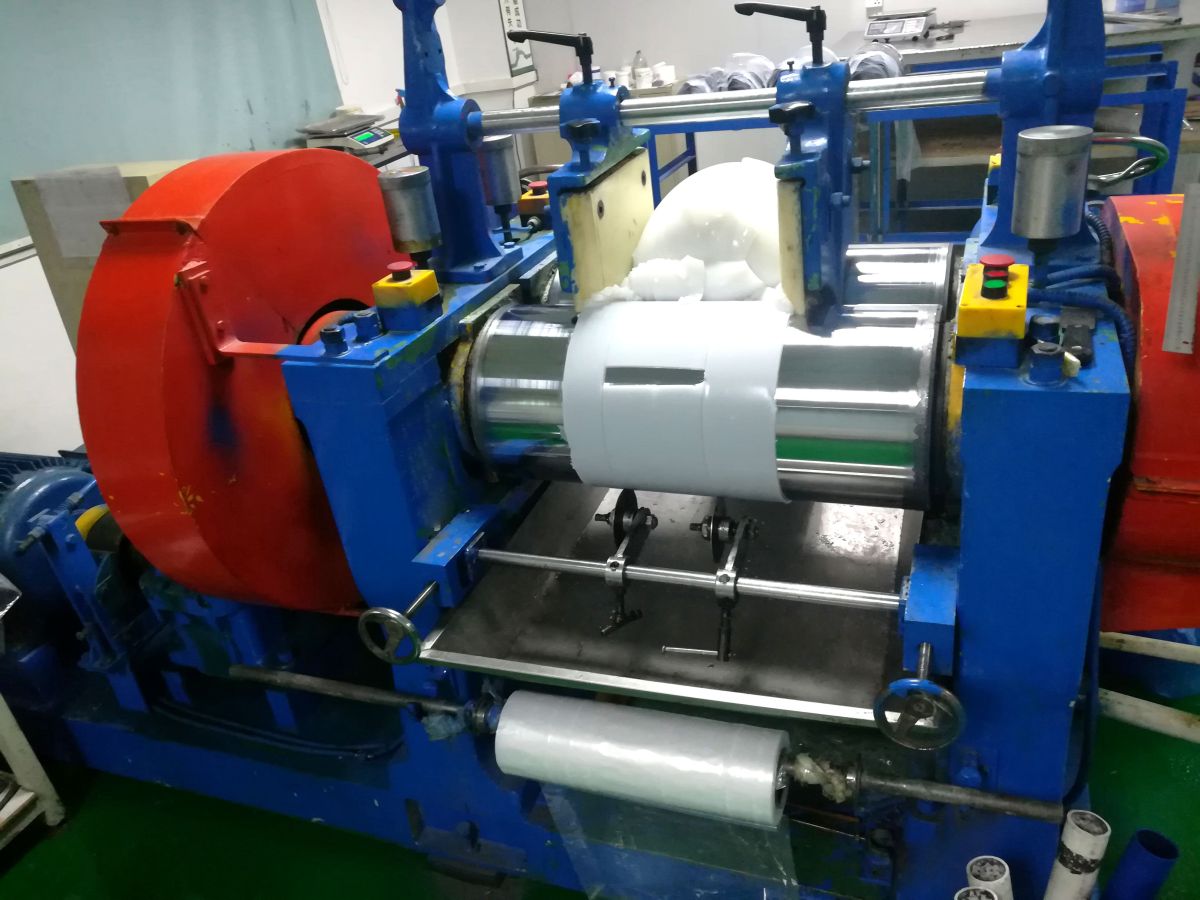
Compound is mixed and color-matched in our own mill, so hardness and shade are fixed before the material reaches the press.
Specifications
| Parameter |
What we supply |
| Material |
Food-grade gas-phase silicone; platinum-cure option for high-clarity or low-compression-set parts |
| Hardness |
30–80 Shore A, ±2.5° |
| Working temperature |
−40 °C to +220 °C continuous; up to 250 °C short-term |
| Outer size and shape |
Round, square, rectangular, oval or free-form — made to your drawing, no fixed size list |
| Thickness |
Set by your drawing; confirmed at DFM review because it drives stiffness and heat insulation |
| Dimensional tolerance |
ISO 3302-1 M2 for critical dimensions |
| Color |
Matched to any Pantone or RAL shade |
| Logo & surface finish |
Silk screen printing, laser etching, spray coating, drip glue; debossed, embossed or color-filled logo |
| Fixing options |
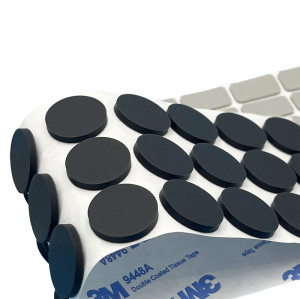
Adhesive backing, molded rim, non-slip base pattern |
| Minimum order quantity |
1,000 pcs per design as standard; 100 pcs on approved trial orders |
| Food-contact compliance |
FDA 21 CFR 177.2600, LFGB, RoHS 2.0, REACH SVHC |
| Prototype mold |
3–5 working days |
| Production mold |
7–12 working days |
| Packaging |
PE bag or printed color box; A=A five-ply export carton |
Tolerance class, mold steel and cavity count are agreed before cutting starts. Tooling is produced by our own in-house mold shop.
Applications
Because the part is molded rather than cut from sheet, the rim, base pattern and thickness can be tuned to the surface it protects and to how it is cleaned.
Kitchen & dining tables
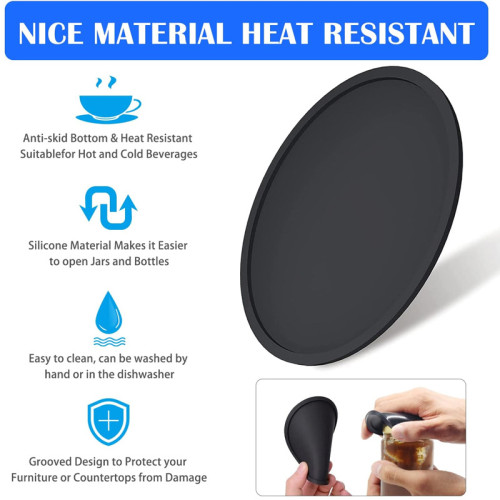
Hot pots, pans and casserole dishes straight from the hob — up to 220 °C continuous. A molded rim keeps condensation and spills on the mat instead of the tabletop.
Cafés, restaurants & bars
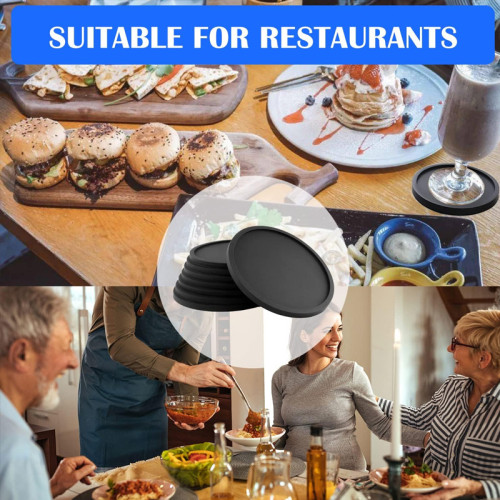
Glass, bottle and cocktail service, washed and reused daily. Silicone sits quietly on the table with no rattle between courses.
Offices, hotels & showrooms
Desk, countertop and side-table protection where the mat has to stay flat, resist staining and wipe clean every day.
From Drawing to Shipment
No drawing is not a blocker. A photo of the part you are replacing is enough for us to quote.
01
Send the part
Upload a PDF, DOC or JPG through the form; send STEP, IGES, DWG or DXF by email. A photo or a physical sample also works.
02
DFM review & quotation
Moldability points, tooling cost and unit price within 3 hours of receiving the file.
03
Prototype mold
3–5 working days. Samples are shipped for your trial fit before any mass tooling is cut.
04
Production mold & production
7–12 working days, covering mold making, production and inspection.
What the tooling actually costs you
- Mold cost is quoted per design after the DFM review — prototype mold and multi-cavity production mold are quoted separately
- Tooling ownership is 100% yours once the mold fee is settled; you may move or store it at any time
- We keep your tooling in a temperature-controlled store under a 2-year free warranty and maintenance term
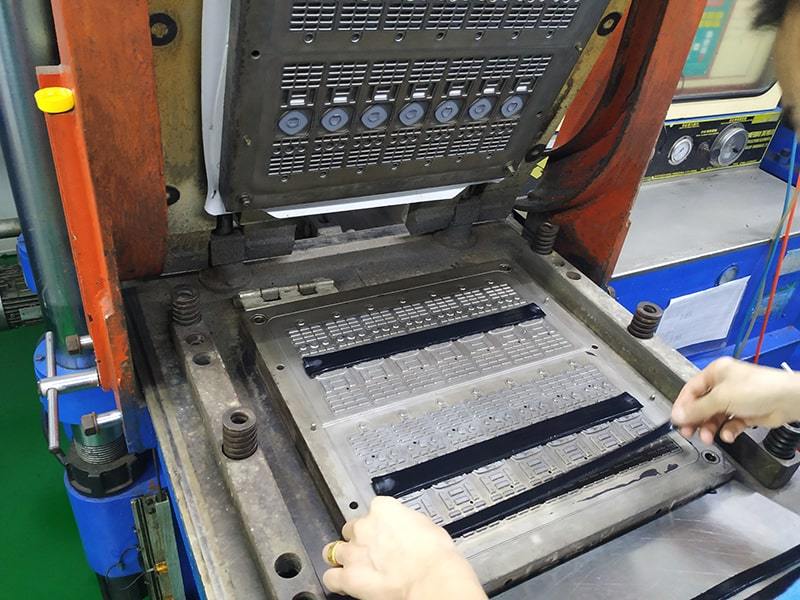
First parts off a new mold pass a three-point check — self-inspection, cross-inspection and dedicated inspection — before the run continues. Prototypes for a new shape also go through our quick proofing service.
Quality Control & Manufacturing
The same plant that molds our silicone keypads runs these mats — 220 staff, 12,000 m² of workshop space and 32 molding presses, with tooling stored and maintained in-house.
Measured, not described
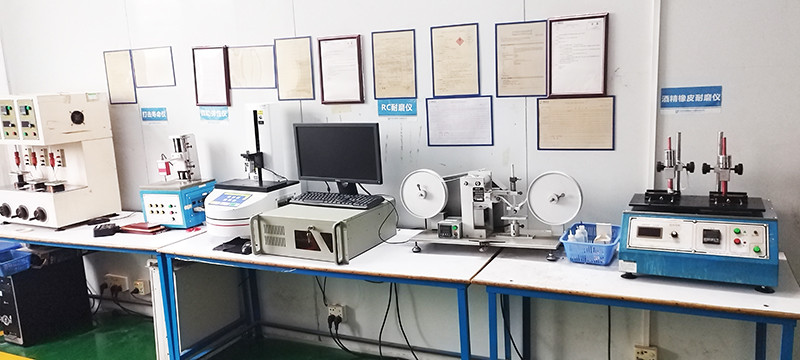
- Hardness verified on incoming compound and on finished parts — readings within ±3° Shore A of the drawing value are accepted
- Dimensions verified on a 2.5D optical measuring instrument
- Compression set ≤ 20% at 25% compression, 22 h at 100 °C
- Printed artwork tested to RCA tape abrasion before release
Compliance on file
- FDA 21 CFR 177.2600 food-contact report
- LFGB contact-food testing
- RoHS 2.0 and REACH SVHC reports from third-party laboratories
- IATF 16949, ISO 9001 and ISO 14001 certified plant
Rubber Selection Guide
Silicone is the right answer for most drink and table applications, but not all of them. Use this table to check whether another rubber fits your working conditions better.
| Property |
Silicone |
NBR |
FKM |
| Working temperature |
−40 to +220 °C |
−30 to +120 °C |
−20 to +250 °C |
| Hardness range |
30–80 Shore A |
40–90 Shore A |
60–90 Shore A |
| Oil and fuel resistance |
Fair — animal and vegetable oils only |
Excellent — petrol, diesel, hydraulic and engine oils |
Very high — aggressive solvents and aviation fuel |
| Food contact |
Yes — FDA and LFGB grades available |
Not recommended |
Not recommended |
| Choose it when |
The mat touches food, sees heat, and is washed often |
The part meets oils or fuels and stays below 120 °C |
Hot aggressive chemicals are involved and cost is secondary |
EPDM is molded at the same plant as well. Tell us the working conditions and we will confirm which compound fits.
Frequently Asked Questions
What temperature can these silicone cup mats withstand?
Continuous working range is −40 °C to +220 °C, with short-term exposure up to 250 °C. That covers hot pans and freshly poured drinks. If your application runs hotter, tell us the peak temperature at DFM review and we will select a compound for it.
What is the minimum order quantity?
1,000 pcs per design as standard. A 100 pcs trial run can be approved for a first order — send your target quantity with the drawing and we will confirm which applies.
Which logo and surface options work on silicone coasters?
Silk screen printing, laser etching, spray coating and drip glue. Logos can be debossed, embossed or color-filled, and the base color is matched to any Pantone or RAL shade.
How long does sampling and mass production take?
Prototype mold 3–5 working days; production mold 7–12 working days.
When is silicone the wrong choice for a mat?
Silicone is not the right material when you need high rigidity, dead-flat geometry over a large area, or long-term contact with concentrated solvents and aromatic mineral oils. In those cases NBR, FKM and EPDM are all available from the same plant — describe the working conditions and we will say which one fits.
Tooling quote and unit price within 3 hours
- No 3D file needed — a photo and the size in mm is enough
- A molding engineer replies, not a sales queue
- Tooling cost and unit price in the same reply
- Free review, NDA on request, tooling stays yours