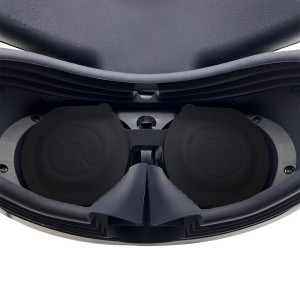
Washing Machine Square Thickened Non Slip Silicone Rubber Parts Mat
- Model
- BH-auto18
Item specifics
- Product Name
- Mat
- Material
- Silicone Rubber
- Color
- Gray,Custom
- Shape
- Square,Custom
- Stype
- Thickened
- Application
- Washing Machine Non Slip
- Sales Method
- Molded Custom
- Consultation Email
- Suey@fromrubber.com
Review
Description
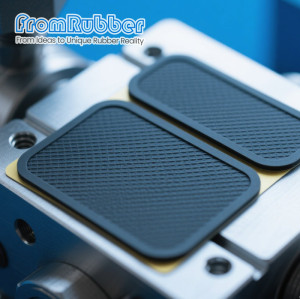
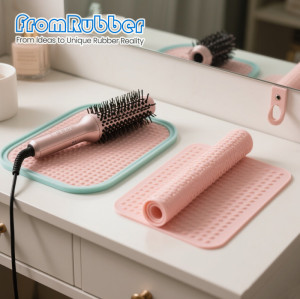
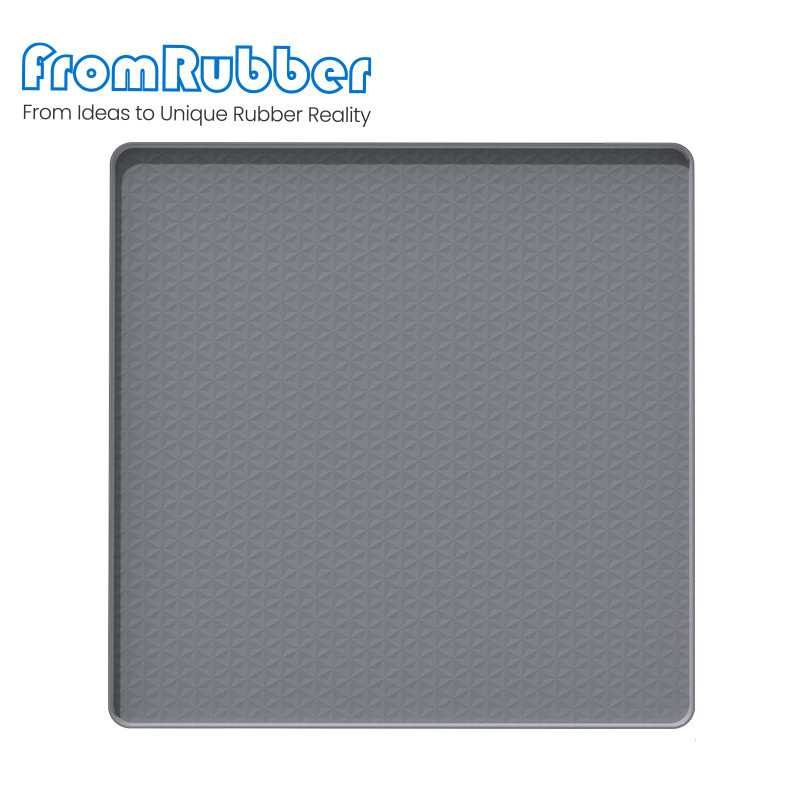
A silicone rubber parts mat for a washer is usually sold by thickness. In service, thickness only matters through the static deflection it allows: the mat has to be soft enough to place the mounted natural frequency well below the spin excitation, and stable enough that it does not collapse or take a permanent set under a machine full of wet laundry. That balance is a short calculation, and it is worth doing before a mould is cut. Three formats from one compound family: full mat, interlocking tile and individual foot pad. Interlocking tiles let the loaded area be chosen on site and one worn section be replaced without lifting the machine. These are the ranges we quote from for a new mould. The values that decide performance are the calculated stiffness and deflection for your machine mass and spin speed. Thickness, hardness and surface are quoted together. Changing one without recalculating the others is how a mat that worked in a sample room fails in a laundry. Moulded edges and a textured face: both features exist to stop the mat curling and walking on a tiled floor. A raised border holds a small spill on the mat instead of letting it run under the machine. For the buying side of the same product - formats, care and what differentiates one mat from another - our older guide on silicone rubber mats for washing machines covers the retail questions. This page covers the moulding decisions behind them. Two numbers from the customer start the process: machine mass with a full load, and maximum spin speed. Not by itself. Thickness only helps while the mat still deflects under the machine. Once the compound is fully compressed, extra thickness adds mass and cost without adding isolation. The number to work from is the static deflection the machine needs, which follows from the target natural frequency and the machine mass. Both resist water and detergent. Silicone holds a wider temperature band, which matters on a heated floor or beside a dryer; EPDM is usually cheaper and adequate in a cool laundry. PVC is the material to avoid, because its plasticiser migrates into vinyl flooring and leaves a mark that does not clean off. Silicone does not carry the plasticiser responsible for the classic PVC stain, but any mat can leave a mark if grit is trapped underneath. A light texture plus periodic cleaning is the practical answer. Adhesive-backed mats are the ones that fail visibly, because the adhesive line traps dirt and water. Yes, but cutting changes the loaded area and therefore the stiffness. If the mat will be trimmed, the stiffness target should be set for the trimmed size rather than for the full sheet, otherwise the isolation band moves. For a silicone rubber parts mat we return a stiffness and thickness recommendation, a format suggestion for your floor, a compound shortlist, and a tooling quotation.A Washing-Machine Mat Is a Stiffness Decision, Not a Thickness Decision

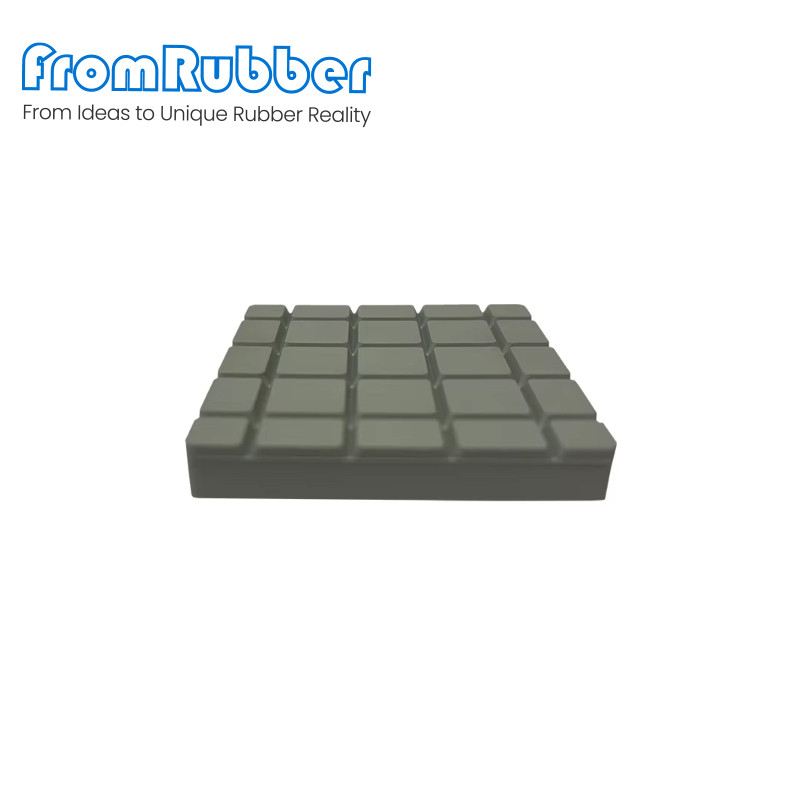
Why four pads often beat a full mat
Specification starting points
Parameter Starting point Why it matters Thickness 3 - 10 mm, set from the calculated static deflection A mat thinner than the deflection bottoms out and stops isolating Hardness 40 - 60 Shore A Sets stiffness and creep; softer is not automatically better Compression set ISO 815, measured at service temperature A mat that takes a set becomes a rigid spacer Tensile and tear ISO 37 and ISO 34-1 Tear resistance governs how it survives cutting and dragging Detergent resistance ISO 1817 immersion in alkaline detergent Swell and hardening change stiffness over time Temperature -20 to +200 C, compound dependent Dryer heat and hot floors sit inside this band Surface Fine texture on the contact face, flat or channelled top Grip without adhesive; channels stop water pooling Tolerance ISO 3302-1, class named per feature Thickness variation between pads changes the load split What the mat is actually protecting

Making the mat repeatable in volume
From machine data to a moulded mat
Questions about washing-machine mats
Does a thicker mat isolate more vibration?
Silicone or EPDM under a washing machine?
Will a mat mark a vinyl floor?
Can the mat be cut to size on site?
Send the machine mass and spin speed