Military Grade Silicone Keypad – Extreme Temperature Range, Shockproof
Item specifics
- Design
- Follow 3D Drawing Or Physical Object
- Process
- Molding
- Feature
- for Extreme Temperature Range, Shockproof
- MOQ
- 2000pcs
- Application
- industrial, medical & automotive applications
Review
Description
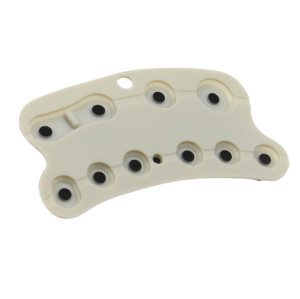
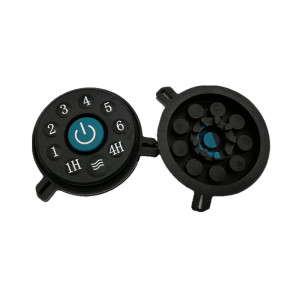
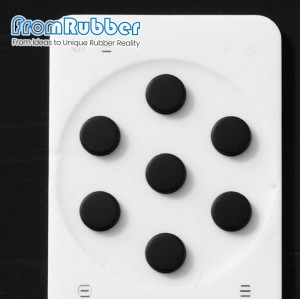
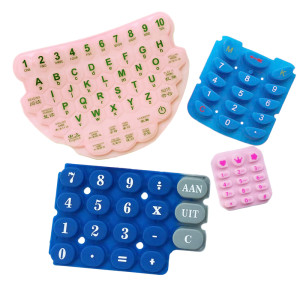
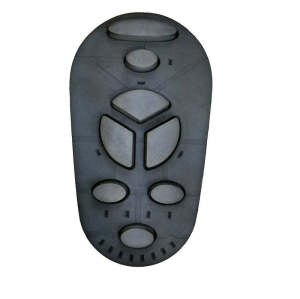
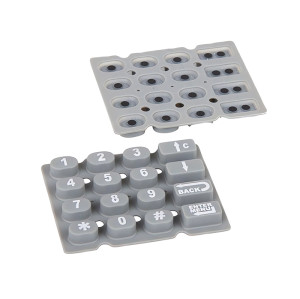
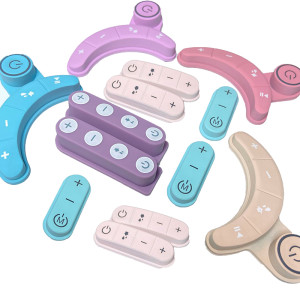
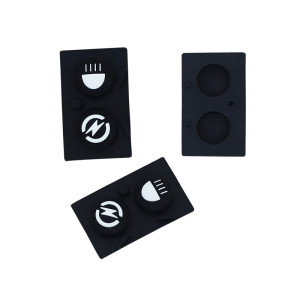
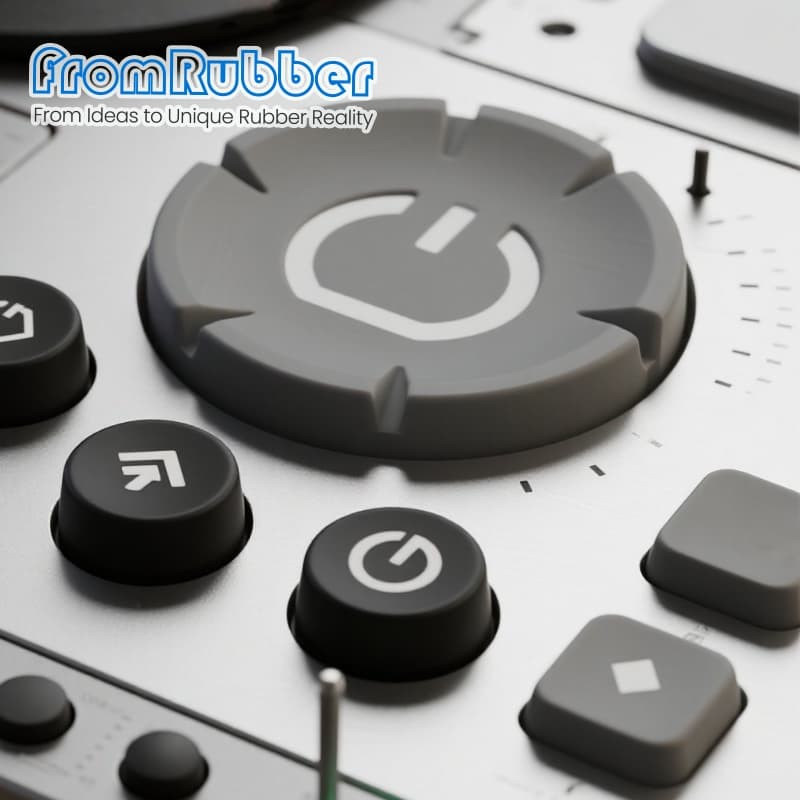
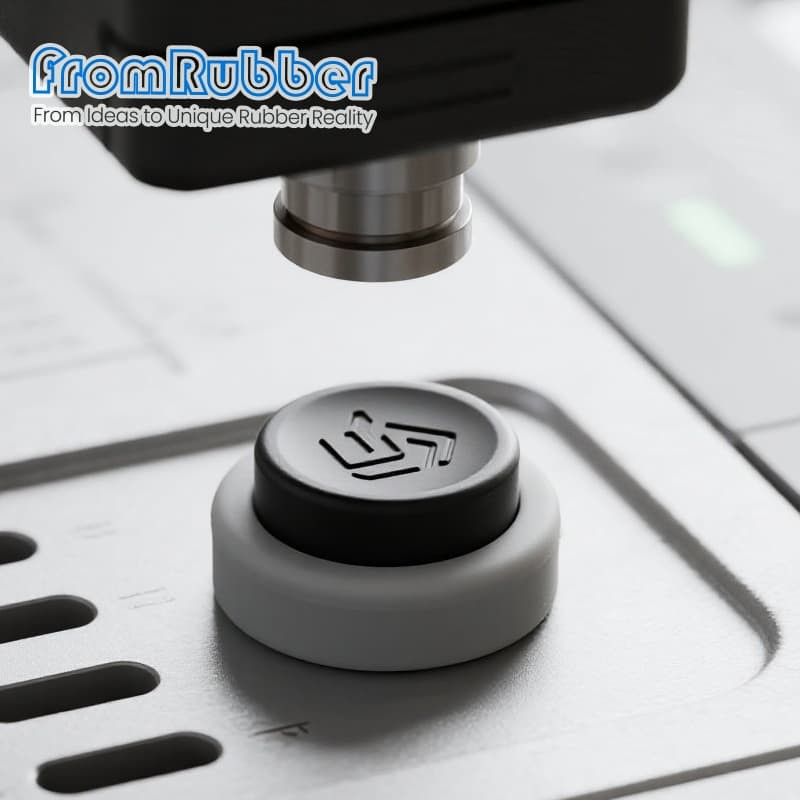
A military grade silicone keypad is a custom silicone rubber keypad engineered for equipment that must keep working in extreme temperatures, shock, vibration, moisture, chemicals, and continuous outdoor use — environments where a conventional keypad fails. FromRubber develops custom silicone keypads from your 3D drawing, 2D drawing, physical sample, or application requirements, including key layout, tactile feel, electrical contacts, legends, and surface finish. Where specific environmental performance is required, material selection, structure, and testing are customized to the equipment specification rather than assumed from a generic compound. Custom military grade silicone keypad engineered for harsh-environment equipment. Silicone rubber is used for rugged keypads because it combines flexibility, environmental resistance, and reliable tactile feedback in one molded component. A properly designed silicone keypad can be engineered for applications requiring: Final performance depends on the silicone compound, keypad structure, electrical contact design, molding process, and the application environment — not on the word "military" alone. For equipment operating in very cold or high-temperature environments, silicone rubber can be formulated and designed for a wide operating range. A target range of -60°C to +200°C (-76°F to +392°F) can be specified when the application requires it.* Typical uses include outdoor communication equipment, industrial control systems, heavy machinery, aerospace equipment, automotive equipment, and field equipment. * Confirm the actual material grade and validated operating temperature for your application before specifying this range. Temperature capability depends on the specific silicone compound and the finished assembly. Shock and vibration affect both the mechanical keypad and the electrical contact. Resistance is engineered through silicone hardness, key geometry, web thickness, key travel, return force, bottoming structure, contact design, and mounting method — and the keypad design should be evaluated together with the enclosure and PCB assembly for severe mechanical loads. Example shock specification: 50G peak, 11 ms duration.* * Test conditions and results must be confirmed against the actual test standard and product configuration before being published. Continuous vibration in military, industrial, and mobile equipment can loosen mechanical parts and disturb electrical contacts. Keypad design can account for vibration frequency, acceleration level, operating environment, key geometry, contact structure, and mounting interface. Example vibration specification: 5-500 Hz, 5G RMS.* * Actual vibration performance is application-dependent and should be validated through product testing. When integrated with a suitable housing and sealing structure, a silicone keypad can be designed for applications requiring dust-tight and water-resistant enclosures. IP67-level assemblies can be considered where dust-tight protection and temporary immersion resistance are required. The final IP rating depends on the complete assembly — keypad structure, housing, sealing interface, PCB, adhesive or gasket, and assembly process — rather than on the silicone part alone. Silicone rubber provides good resistance to many environmental conditions, but chemical resistance depends on the specific compound and the exposure conditions. Applications involving fuels, oils, cleaning agents, solvents, outdoor UV exposure, or industrial chemicals should be reviewed against the actual material before production. Keypad life depends on key geometry, silicone hardness, travel, return force, electrical contact structure, and operating conditions. For high-cycle applications, keypad structure and the conductive contact system can be optimized toward a target of 1,000,000+ actuations.* Actual cycle life should be confirmed through product-specific testing. Military and industrial operators often work in gloves. Tactile response is tuned through key travel, actuation force, rubber hardness, web geometry, key height, snap ratio, and bottoming structure — then optimized for the operator's requirements and the electronic switch design. * Performance depends on material selection, product design, assembly, and test conditions. Contact our engineering team for application-specific specifications and validation data. Every harsh-environment application is different. Instead of adapting a standard keypad, the silicone keypad is developed around the equipment and its operator environment. Key arrangements, sizes, shapes, and spacing are manufactured to your 2D or 3D design. Common options include custom key positions, different key heights, multiple key shapes, concave or convex surfaces, integrated bezels, and custom mounting features. Feel is tuned through actuation force, travel, snap ratio, return force, key height, and web thickness — so the keypad can be matched to operator preference and the electronic interface. See our silicone keypad design support for guidance. Depending on the application, options include conductive silicone keypad carbon pills, metal domes, PCB contacts, membrane switches, or custom electrical interfaces. For carbon-pill keypads, contact resistance, pill diameter, compression, and PCB pad design are developed together. Durable legend options include laser etching, screen printing, embossed and debossed symbols, multi-color marking, custom icons, text, and numbering. Laser etching for silicone products suits legends that must withstand frequent operation and environmental exposure. For low-light operation, the keypad can be designed for backlit silicone keypad structures: LED backlighting, light-guiding structures, translucent silicone, laser-etched legends, and localized light transmission. Backlighting must be considered at the initial mold and keypad design stage. Silicone keypad for extreme temperature applications — validated material selection comes before specifying a temperature range. Custom silicone keypads can be designed for military communication equipment, field communication devices, tactical electronic equipment, portable control systems, rugged control panels, and outdoor electronic equipment. Each application should be evaluated against its required environmental and testing standards rather than a generic claim. For control interfaces exposed to vibration, temperature variation, and frequent operator use — aerospace control interfaces, ground support equipment, cockpit-related controls, and portable aerospace equipment. Rugged keypads suit heavy machinery, mining equipment, oil and gas equipment, factory control systems, and industrial instrumentation. See customized silicone buttons for industrial equipment for related examples. Vehicle-related equipment requiring environmental resistance and reliable tactile operation — engine-area controls, cabin interfaces, and off-road equipment panels. Development starts from the application requirements, not from the mold. For demanding applications, quality is verified against defined requirements rather than material datasheets alone. Depending on the project we can evaluate: Stress testing on a military silicone keypad — acceptance criteria are agreed before testing. To evaluate a project accurately, provide any of the following that are available: No complete drawing? Send the physical sample or the design information you have. Our engineering team will review the structure and flag manufacturing considerations before tooling. A military grade silicone keypad is a custom silicone rubber keypad designed for demanding environments where temperature resistance, shock, vibration, moisture protection, durability, or reliable tactile operation matter. Actual performance requirements should be defined by the equipment and its applicable testing standards. Yes. We manufacture custom silicone keypads from 2D drawings, 3D CAD files, physical samples, or customer specifications — key layout, dimensions, silicone hardness, tactile response, electrical contacts, colors, legends, and surface treatments can all be customized. The usable temperature range depends on the silicone compound and product design. Wide ranges such as -60°C or +200°C are achievable with high-performance formulations, but the material and finished product must be validated for the actual operating conditions before the range is specified. Yes. Keypad geometry, mounting structure, and the electrical contact system can be designed for vibration. Actual vibration performance should be validated to the required frequency, acceleration, and test standard. Yes, silicone keypads can be designed for integration into assemblies requiring IP67-level protection. The final IP rating depends on the complete enclosure and sealing system, not on the silicone keypad alone. Yes. Tactile force, key travel, key size, and surface geometry can be optimized for glove operation. Yes. Laser etching is used for custom characters, numbers, symbols, and icons. The right marking method depends on silicone color, surface design, durability needs, and appearance. Yes. Conductive carbon pills can be integrated for PCB-based switching. Pill material, resistance, size, and contact geometry are customized to the electrical requirements. Yes. LED backlighting is possible using translucent silicone, light-transmission structures, and laser-etched or printed legends. Backlighting requirements should be defined at the initial design stage. A 2D drawing, 3D CAD file, or physical sample is preferred. If none is available, provide dimensions, photos, application requirements, estimated quantity, and any known material or performance requirements.
Why Use Silicone Keypads for Harsh Environments?
Key Performance Features
Extreme Temperature Resistance
Shock and Vibration Resistance
Vibration Resistance
Dust and Water Protection
Chemical and UV Resistance
Long Actuation Life
Tactile Feedback and Glove Operation
Technical Specifications
Parameter Typical / Target Specification Material Silicone rubber selected per application Temperature Range -60°C to +200°C* (application-dependent) Shock Resistance 50G peak, 11 ms* Vibration Resistance 5-500 Hz, 5G RMS* Protection Up to IP67 / IP68 depending on assembly* Actuation Life Up to 1,000,000+ cycles* Keypad Type Custom silicone rubber keypad Electrical Contact Carbon pill / metal contact / custom Marking Screen printing / laser etching / embossing Backlighting Available depending on design Layout / Color Fully customizable Tactile Force / Key Travel Customizable Integration PCB / membrane switch / custom assembly Custom Military Silicone Keypad Design
Custom Key Layout
Tactile Feedback
Electrical Contact Options
Marking and Legend Options
Backlighting Options
Applications
Military and Defense Equipment
Aerospace Equipment
Industrial Machinery
Automotive Equipment
How We Manufacture Custom Silicone Keypads
Quality and Testing
What We Need to Quote Your Custom Silicone Keypad
Request a Custom Military Silicone Keypad Quote
Request a Custom Silicone Keypad Quote
FAQ
What is a military grade silicone keypad?
Can you manufacture custom military silicone keypads?
What temperature can a silicone military keypad withstand?
Can silicone keypads be used in high-vibration environments?
Can you manufacture IP67 silicone keypads?
Can the keypad be operated with gloves?
Can you add laser-etched legends?
Can you add conductive carbon pills?
Can you make a backlit military silicone keypad?
What information do you need for a quotation?